Ever feel like you’re just pushing dirt around? You spend an hour vacuuming, the machine is roaring like a jet engine, but when you look down, you can still see that stubborn bit of fluff clinging to the carpet for dear life. It’s a frustrating moment we’ve all had. The culprit, more often than not, is a lack of effective suction power. But figuring out which machine actually delivers can feel like navigating a minefield of confusing jargon and inflated marketing claims. That’s why we’ve created this definitive guide to the Vacuum Cleaner Suction Power Test, designed to cut through the noise and show you what really matters when it comes to deep cleaning your home.
We believe that understanding the science behind suction is the first step toward making a smarter purchase. It’s not just about a single number on the box; it’s about how a vacuum performs in the real world, on your floors, with your messes. To explore how these principles apply to a top-tier machine, you might find that reading a detailed Dyson vacuum cleaner review offers a practical case study on engineering and performance. So, grab a coffee, and let’s dive into the nitty-gritty of what makes a vacuum truly suck—in the best way possible.
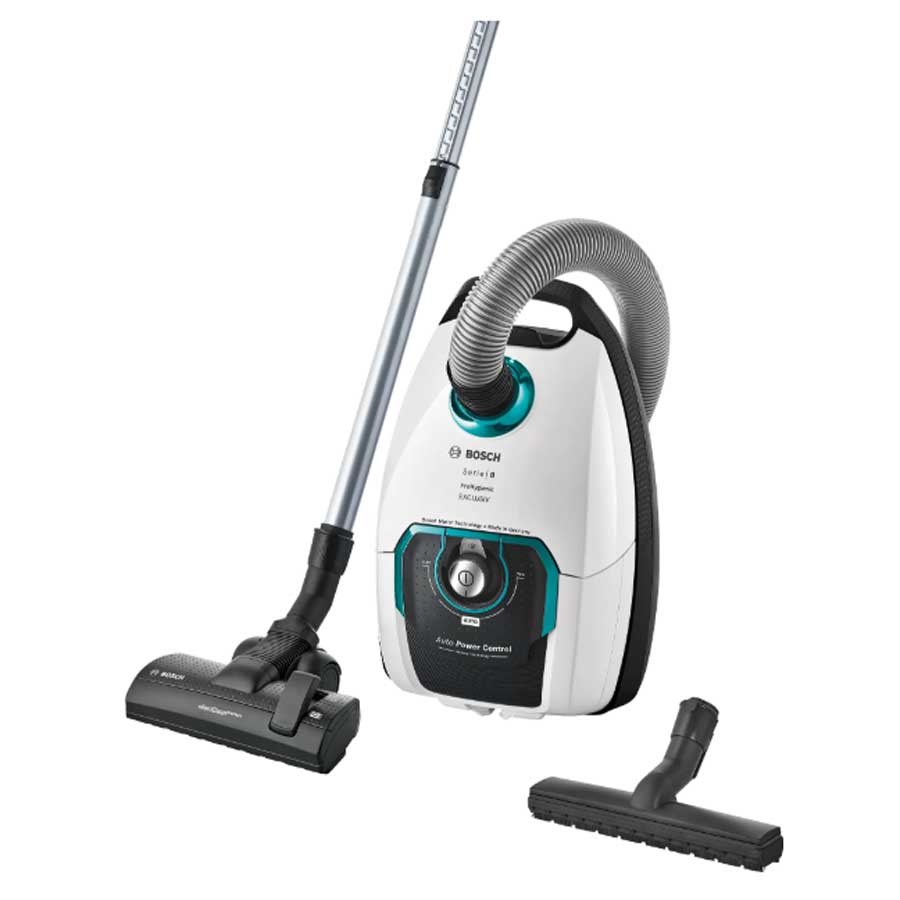
What Does “Suction Power” Really Mean? It’s Complicated.
The first thing to get straight is that “suction power” is not a single, universally agreed-upon measurement. Manufacturers love to throw around terms like Amps, Volts, and Watts, but these often measure motor power, not the actual cleaning performance at the nozzle. It’s like judging a car’s speed solely by the size of its engine; it doesn’t tell you the whole story.
To truly understand a vacuum’s capabilities, we need to look at three key metrics that professionals use.
Airflow (CFM): The Great Mover
Think of Airflow, measured in Cubic Feet per Minute (CFM), as the volume of air that flows through the vacuum hose in one minute. Imagine a wide, fast-flowing river. It has the power to carry along large debris like leaves and twigs with ease.
- What it’s good for: High CFM is fantastic for picking up larger debris like cereal, cat litter, and dust bunnies, especially on hard surfaces like wood or tile. It’s the metric that governs a vacuum’s ability to move mess from the floor into the bin.
- The Analogy: A vacuum with high airflow is like using a wide snow shovel to clear a light, fluffy snowfall. You can move a lot of it very quickly.
Water Lift (Inches of H₂O): The Deep Lifter
Water Lift, sometimes called “sealed suction,” measures the raw pulling power of the vacuum’s motor. It’s tested by seeing how high the motor can pull a column of water up a sealed tube. This is a measure of pure, brute-force lift.
- What it’s good for: High Water Lift is absolutely crucial for deep-cleaning carpets. It’s the force that pulls embedded dirt, sand, and stubborn pet hair from the very base of the carpet fibers. It’s also what gives a crevice tool its impressive “sucking” feel.
- The Analogy: If Airflow is a wide river, Water Lift is like drinking a thick milkshake through a narrow straw. It requires intense, focused power. A vacuum with high water lift is like a pressure washer for your carpets, dislodging the toughest grime.
Air Watts (AW): The “Real” Power Metric?
Air Watts is an attempt to combine Airflow and Water Lift into a single, more useful number. The formula is Air Watts = (Airflow in CFM * Water Lift in Inches of H₂O) / 8.5. It gives you a more balanced view of a vacuum’s overall cleaning performance.
According to our in-house product engineer, David Chen, “Air Watts is the most useful spec a consumer can look at, especially for cordless models. It provides a decent snapshot of the relationship between air movement and raw power. However, it’s still just a lab number. A poorly designed cleaner head can waste all the Air Watts in the world.”
While Air Watts is a better indicator than simple motor wattage, it still doesn’t account for filtration efficiency or the design of the vacuum head, which are both critical for real-world cleaning.
The Official Vacuum Cleanerus Suction Power Test
So, if the numbers on the box can be misleading, how do we determine which vacuums are truly the best? Here at Vacuum Cleanerus, we put every machine through a grueling, real-world gauntlet. A proper vacuum cleaner suction power test has to be more than just numbers; it has to be about results.
Here’s a peek behind the curtain at our standardized testing process:
- The Unboxing and Lab Measurement: First, we measure the “on-paper” specs like Water Lift and Airflow using professional-grade tools to establish a baseline. We check for a good seal and quality construction.
- The Hard Floor Debris Test: We scatter a measured mix of fine particles (flour), medium debris (oats), and large debris (cereal) on a sealed hardwood floor. We then make a single forward-and-back pass to see what percentage is collected. A good vacuum leaves nothing behind.
- The Low-Pile Carpet Challenge: We repeat the debris test on a typical low-pile carpet, the kind found in most homes and offices. This tests the vacuum’s ability to lift debris from a textured surface.
- The Deep-Clean Torture Test: This is where contenders are separated from pretenders. We take a measured amount of sand—a notoriously difficult substance to vacuum—and grind it deep into a medium-pile carpet. We weigh the dustbin before and after to see exactly how much sand the vacuum managed to extract. Only the most powerful machines with excellent brush roll agitation score well here.
- The Pet Hair Predicament: We embed real pet hair into upholstery and carpeting. The goal isn’t just to pick it up, but to do so without the hair tangling into an impossible mess around the brush roll. This tests both suction and the design of the cleaning head.
This multi-faceted approach ensures we’re not just testing one aspect of performance, but the vacuum’s complete ability to clean a home effectively.
|
Our Picks for the Best Vacuum Cleaner in 2026
As an Amazon Associate, we earn from qualifying purchases.
|
||
| Num | Product | Action |
|---|---|---|
| 1 | Amazon Basics Upright Bagless Vacuum Cleaner for Carpet and Hard Floors, With Crevice and Upholstery Tools, Detachable Handle, Lightweight (8.4 lbs), 1.7L Dust Cup, 720W, 25ft Cord, Black/White |

|
| 2 | Shark | Upright Vacuum Cleaner | Navigator Lift-Away | Swivel Steering | HEPA Filter | Vacuum for Pet Hair | Crevice Tool & Dusting Brush Included | For Carpets & Hard Floors | White/Silver | NV356E |
|
| 3 | LEVOIT Cordless Vacuum Cleaner, Stick Vac with Tangle-Resistant Design, Up to 50 Minutes, Powerful Suction, Rechargeable, Lightweight, and Versatile for Carpet, Hard Floor, Pet Hair, LVAC-200 |
|
| 4 | BISSELL CleanView Compact Upright Vacuum, Fits in Dorm Rooms & Apartments, Lightweight with Powerful Suction and Removable Extension Wand, 3508 |
|
| 5 | Shark | Pet Cordless Vacuum Cleaner | LED Headlights | Removable Handheld Vacuum for Pet Hair | Crevice Tool & Pet Multi-Tool Included | 40min Runtime | For Carpet & Hard Floors | Grey | IX141 |
|
| 6 | BLACK+DECKER dustbuster AdvancedClean Cordless Handheld Vacuum, Compact Home and Car Vacuum with Crevice Tool (CHV1410L) |
|
| 7 | Shark NV352 Navigator Lift Away Upright Vacuum, Hepa Filter, Anti-Allergen Technology, Swivel Steering, Ideal for Carpet, Stairs, & Bare Floors, with Wide Upholstery & Crevice Tools, Lavender |
|
| 8 | BISSELL CleanView Compact Turbo Upright Vacuum with Quick Release Wand, Full Size Power, Compact Size for Apartments & Dorms, 3437F |
|
| 9 | Shark HV322 Rocket Deluxe Pro Corded Stick Vacuum with LED Headlights, XL Dust Cup, Lightweight, Perfect for Pet Hair Pickup, Converts to a Hand Vacuum, with Pet Attachments, Bordeaux/Silver |
|
| 10 | BLACK+DECKER dustbuster QuickClean Cordless Handheld Vacuum, Car Vacuum Portable (HNVC215B10) |
|
How Can You Test Suction Power at Home?
You don’t need a fancy lab to get a feel for a vacuum’s power. If you’re in a store or testing a friend’s machine, here are a few quick, DIY methods to gauge its performance.
- The Palm Test: The classic. Turn the vacuum on its highest setting and place your palm over the end of the hose. You should feel a strong, immediate pull that’s difficult to break. It’s not scientific, but it gives you a gut feeling for the raw Water Lift.
- The Edge Cleaning Test: Sprinkle some baking soda or sugar along a baseboard. Use the main cleaner head (not the crevice tool) and run it parallel to the wall. Does it pick up everything, or does it leave a line of debris right at the edge? This tests the design and airflow at the sides of the head.
- The Lightweight Rug Test: Have a small, lightweight bathmat or area rug? A vacuum with powerful suction will often try to lift the rug off the floor. While sometimes annoying, it’s a clear indicator of strong lifting force.
Beyond the Numbers: Common Suction Killers
Before you rush out to buy a new machine, remember this: the most common reason for poor performance isn’t the vacuum itself, but poor maintenance. A brand-new, top-of-the-line vacuum can perform worse than a decade-old model if it’s not cared for.
Why Is My Vacuum Losing Suction?
Most often, a vacuum loses suction because of a clogged filter, a full dustbin, or a blockage in the air path. Regularly checking these three areas will keep your machine running at peak performance.
- Clogged Filters: This is the #1 culprit. Your vacuum’s motor needs to breathe. Pre-motor and post-motor filters (especially HEPA filter models designed to capture allergens) trap fine dust. When they get clogged, airflow is drastically reduced. You should wash or replace your filters every 1-3 months, depending on usage.
- A Full Dustbin or Bag: A vacuum works best when the bag or bagless canister is less than two-thirds full. As it fills up, the path for air becomes more restricted, and both Airflow and Water Lift plummet. Empty it often!
- Blockages in the Airway: A stray sock, a child’s toy, or a massive clump of pet hair can easily get lodged in the hose or at the entrance to the cleaner head. If your vacuum suddenly sounds different or stops picking things up, a blockage is the likely cause.
FAQ: Your Vacuum Cleaner Suction Power Questions Answered
Is higher Air Watts (AW) always better?
Generally, yes. A higher Air Watts number indicates a better combination of airflow and water lift. However, it’s not the only factor. A vacuum with 200AW and a poorly designed floor head may perform worse than one with 150AW and a brilliantly engineered, self-sealing head.
How does a cordless vacuum’s suction compare to a corded one?
Corded vacuums traditionally have more power because they have a direct line to your home’s electricity. However, modern, high-end cordless vacuums now have motors and battery technology that produce suction powerful enough for deep cleaning, rivaling many corded models, especially in “Max” or “Boost” mode.
Does a full bag affect the vacuum cleaner suction power test results?
Absolutely. A vacuum cleaner suction power test performed with an empty bag versus a half-full bag will yield dramatically different results. Airflow drops significantly as the bag fills and its pores become clogged with dust, which is why performance seems to degrade over time.
What’s the best type of vacuum for powerful pet hair removal?
For pet hair, you need a combination of high suction (specifically Water Lift to pull embedded hair from fibers) and a motorized brush roll with stiff bristles. The brush agitates the carpet to dislodge the hair, and the suction pulls it away. Canister and upright vacuums are typically best for this.
How often should I clean my vacuum filters to maintain suction?
As a rule of thumb, check your filters monthly. If they are washable, rinse them under cool water until it runs clear and let them air dry completely for at least 24 hours. For non-washable HEPA filters, tap them clean over a trash can and replace them every 6-12 months.
Your Path to a Cleaner Home
Understanding what goes into a meaningful vacuum cleaner suction power test empowers you to see past the marketing hype and focus on what truly matters: cleaning performance. It’s not about finding the machine with the biggest number, but about finding the right balance of Airflow, Water Lift, and smart design for your specific needs—whether that’s tackling pet hair on deep carpets or keeping hardwood floors pristine. By paying attention to these details and committing to simple maintenance, you can ensure your vacuum provides that satisfying, deep-clean feeling for years to come.