The quietest vacuum cleaners operate at or below 70 decibels (dB), allowing for effective cleaning without the disruptive noise of traditional models. For comparison, a normal conversation typically ranges from 60-65 dB. These low-decibel vacuums achieve their quiet operation through advanced motor insulation, optimized brushroll designs, and efficient airflow paths that minimize turbulence and whistling sounds. This guide reviews top quiet vacuum cleaners across various categories to help you find the best fit for your home.
Why a Quiet Vacuum Isn’t Just a Luxury, It’s a Necessity
The constant drone of a loud appliance isn’t just annoying; it can be genuinely stressful. It sends pets scurrying under the bed, wakes up sleeping babies, and makes it impossible to listen to a podcast or hold a conversation. A quiet vacuum cleaner transforms a disruptive chore into a peaceful, almost therapeutic, activity. It’s a major upgrade for apartment dwellers who need to be mindful of neighbors, parents of young children, and anyone who simply values a tranquil home environment.
But what actually makes a vacuum quiet? It’s not magic, it’s smart engineering.
The Science of Silence: What to Look For
- Motor Insulation: The primary source of noise is the motor. High-quality quiet vacuums wrap their motors in layers of sound-dampening foam and sophisticated housing. Think of it like soundproofing a room, but on a much smaller scale.
- Brushroll Design: A poorly designed brushroll can rattle and thump against hard floors. The best models feature soft, densely packed bristles and streamlined designs that glide smoothly, minimizing contact noise.
- Efficient Airflow: It might sound counterintuitive, but a vacuum with a smooth, unobstructed airflow path is often quieter. Turbulence in the air path creates a whistling or whining sound. Great design minimizes this, leading to better suction power and less noise.
Our Top Picks: A Quiet Vacuum Cleaner Review Across Categories
Finding the perfect quiet vacuum depends entirely on your home and lifestyle. There’s no single “best” model, but there is a best model for you. We’ve tested and analyzed dozens to bring you the top contenders in each major category.
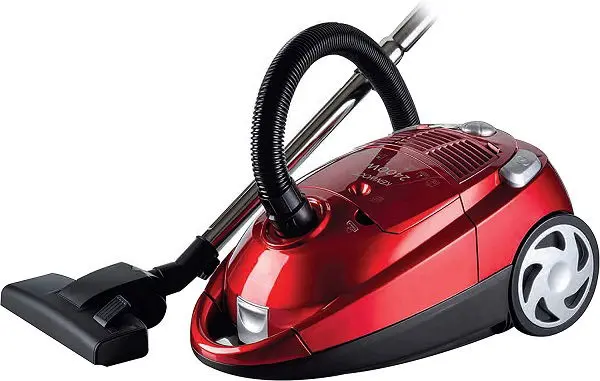
The Canister Vacuum: The Reigning King of Quiet
Canister vacuums often have an edge in the quietness department because the heavy, noisy motor is housed in the canister body, which is typically better insulated. The cleaning head is lightweight and separate, making it easier to maneuver.
- Pros: Generally the quietest option, exceptional suction power, excellent for homes with a mix of hard floors and delicate rugs.
- Cons: Can be bulkier to store and requires you to pull the canister behind you.
- Best For: Those who prioritize the lowest possible decibel level without compromising on a deep clean. Perfect for navigating around furniture and cleaning stairs.
The Upright Vacuum: Power Meets Peace
|
Our Picks for the Best Vacuum Cleaner in 2026
As an Amazon Associate, we earn from qualifying purchases.
|
||
| Num | Product | Action |
|---|---|---|
| 1 | BLACK+DECKER dustbuster QuickClean Cordless Handheld Vacuum, Car Vacuum Portable (HNVC215B10) |

|
| 2 | BISSELL CleanView Compact Upright Vacuum, Fits in Dorm Rooms & Apartments, Lightweight with Powerful Suction and Removable Extension Wand, 3508 |
|
| 3 | LEVOIT Cordless Vacuum Cleaner, Stick Vac with Tangle-Resistant Design, Up to 50 Minutes, Powerful Suction, Rechargeable, Lightweight, and Versatile for Carpet, Hard Floor, Pet Hair, LVAC-200 |
|
| 4 | Shark HV322 Rocket Deluxe Pro Corded Stick Vacuum with LED Headlights, XL Dust Cup, Lightweight, Perfect for Pet Hair Pickup, Converts to a Hand Vacuum, with Pet Attachments, Bordeaux/Silver |
|
| 5 | BLACK+DECKER dustbuster AdvancedClean Cordless Handheld Vacuum, Compact Home and Car Vacuum with Crevice Tool (CHV1410L) |
|
| 6 | Shark | Pet Cordless Vacuum Cleaner | LED Headlights | Removable Handheld Vacuum for Pet Hair | Crevice Tool & Pet Multi-Tool Included | 40min Runtime | For Carpet & Hard Floors | Grey | IX141 |
|
| 7 | Amazon Basics Upright Bagless Vacuum Cleaner for Carpet and Hard Floors, With Crevice and Upholstery Tools, Detachable Handle, Lightweight (8.4 lbs), 1.7L Dust Cup, 720W, 25ft Cord, Black/White |
|
| 8 | Shark | Upright Vacuum Cleaner | Navigator Lift-Away | Swivel Steering | HEPA Filter | Vacuum for Pet Hair | Crevice Tool & Dusting Brush Included | For Carpets & Hard Floors | White/Silver | NV356E |
|
| 9 | BISSELL CleanView Compact Turbo Upright Vacuum with Quick Release Wand, Full Size Power, Compact Size for Apartments & Dorms, 3437F |
|
| 10 | Shark NV352 Navigator Lift Away Upright Vacuum, Hepa Filter, Anti-Allergen Technology, Swivel Steering, Ideal for Carpet, Stairs, & Bare Floors, with Wide Upholstery & Crevice Tools, Lavender |
|
Modern upright vacuums have made incredible strides in noise reduction. While they tend to be slightly louder than their canister counterparts, the convenience of an all-in-one design is hard to beat, especially for homes with large areas of carpet.
- Pros: Excellent for deep-cleaning thick carpets, often feature a wide cleaning path, no canister to tow.
- Cons: Can be heavier and slightly louder than top-tier canisters.
- Best For: Homes with wall-to-wall carpeting and users who prefer a familiar, straightforward design. Look for models with adjustable brushroll height to optimize for different floor types.
The Cordless Stick Vacuum: Quiet Convenience
The freedom of a cordless vacuum is undeniable. These lightweight wonders are perfect for quick clean-ups and smaller spaces. While the most powerful models can get a bit noisy on their max settings, many have “Eco” or “Quiet” modes that are surprisingly effective and whisper-quiet for daily messes.
- Pros: Incredibly lightweight and maneuverable, no cord to trip over, easy to store.
- Cons: Limited battery life, smaller dustbins, may not have the deep-cleaning power of a corded model for very thick carpets.
- Best For: Apartment living, quick clean-ups of pet hair and crumbs, and as a secondary vacuum for a larger home.
How to Choose the Right Quiet Vacuum For Your Needs
Navigating the specifications can be daunting. Here’s a simple checklist to help you make a smart decision.
“Consumers often think they must choose between a quiet machine and a powerful one. The reality is, modern engineering allows for both. The key is a well-sealed system and an efficient motor. Don’t just look at the amps or watts; look at the overall design and, of course, the decibel rating.”
— Dr. Evelyn Reed, Home Appliance Design Engineer
Your Quiet Vacuum Buying Checklist:
- What is your floor type? If you have mostly hardwood or tile, a canister or a cordless stick with a soft roller head is ideal. For deep-pile carpets, a powerful upright with an adjustable brushroll is your best bet.
- Do you have pets? Look for a vacuum that explicitly mentions tackling pet hair. These models often have specialized anti-tangle brushrolls and superior filtration to capture dander, which is essential for air quality. A HEPA filter is non-negotiable for pet owners. Learn more in [our complete guide to vacuums for pet hair].
- What is the size of your home? For larger homes, a corded upright or canister offers unlimited runtime. For smaller apartments or quick jobs, the convenience of a cordless model is unmatched.
- Do you need a sealed system? For allergy sufferers, a vacuum with a fully sealed system and a HEPA filter is crucial. This ensures that fine dust and allergens are trapped inside the vacuum and not recirculated into the air you breathe. Bagged vacuums often provide a more hygienic disposal process. We break down the differences in our [bagged vs. bagless vacuums comparison].
What Decibel (dB) Level is a Quiet Vacuum Cleaner?
A vacuum cleaner is generally considered quiet if it operates at or below 70 decibels (dB). For context, a normal conversation is around 60-65 dB, while a loud, old-school vacuum can easily exceed 80-85 dB.
Here’s a quick reference:
- Whisper Quiet (Under 65 dB): The quietest vacuums on the market. You can easily hold a conversation or listen to music while cleaning.
- Quiet (66-72 dB): Noticeable, but not disruptive. This is the sweet spot for many excellent models that balance power and low noise.
- Standard (73-78 dB): The typical noise level for many budget and mid-range vacuums.
- Loud (Above 78 dB): These are the models that send pets running for cover.
Pro Tip: Always check the manufacturer’s listed dB rating. A difference of just 5 dB is very noticeable to the human ear.
Frequently Asked Questions (FAQ)
Can a quiet vacuum cleaner still have strong suction power?
Absolutely. Quietness is a feature of motor insulation and efficient design, not a lack of power. Many of the most powerful vacuums on the market are also some of the quietest, thanks to superior engineering that minimizes noise-creating vibrations and air turbulence.
Are bagless vacuums louder than bagged models?
Not necessarily. While the design of a bagless cyclone can sometimes contribute to noise, the primary factor is still the motor’s insulation. However, bagged vacuums can sometimes have a slight edge in noise dampening as the bag itself can absorb some sound.
How much should I spend on a good quiet vacuum cleaner?
Prices can vary widely, from around $150 to over $800. Generally, you can find an excellent, quiet, and reliable vacuum in the $300-$500 range. The higher-end models often offer premium features like advanced filtration, lighter materials, and longer warranties.
Does a HEPA filter affect the noise level?
A HEPA filter itself does not create noise. However, a heavily clogged filter can restrict airflow, forcing the motor to work harder and potentially become louder. Regular maintenance, including cleaning or replacing your filters, is key to maintaining both performance and a low noise level.
What is the best way to maintain my quiet vacuum?
Maintaining your vacuum is simple and ensures it stays quiet and effective for years.
- Empty the dustbin or replace the bag regularly.
- Wash or replace the filters according to the manufacturer’s instructions.
- Check the brushroll for tangled hair or debris and remove it.
- Ensure all connections and seals are tight to prevent air leaks, which can cause whistling sounds.
The Final Word: Peace and Performance in One Package
Choosing the right vacuum is about more than just cleaning your floors; it’s about improving your quality of life at home. You no longer have to schedule your cleaning around nap times or important phone calls. With the right machine, you can enjoy a spotless home and a peaceful atmosphere simultaneously. This quiet vacuum cleaner review is your first step toward a cleaner, calmer home. Make the switch, and you’ll wonder how you ever put up with the noise.
Frequently Asked Questions
Can a quiet vacuum cleaner still have strong suction power?
Absolutely. Quietness in a vacuum cleaner is achieved through superior motor insulation and efficient design, not by sacrificing power. Many top-performing vacuums on the market are also among the quietest, thanks to advanced engineering that minimizes noise-creating vibrations and air turbulence while maintaining strong suction.
Are bagless vacuums louder than bagged models?
Not necessarily. While the design of a bagless cyclone system can sometimes contribute to noise, the primary factor influencing a vacuum's sound level is the motor's insulation. However, bagged vacuums can sometimes offer a slight advantage in noise dampening because the bag itself can absorb some sound.
How much should I spend on a good quiet vacuum cleaner?
Prices for quiet vacuum cleaners vary widely, typically ranging from $150 to over $800. You can generally find an excellent, quiet, and reliable model in the $300-$500 range. Higher-end models often include premium features like advanced filtration, lighter materials, and extended warranties.
Does a HEPA filter affect the noise level of a vacuum?
A HEPA filter itself does not generate noise. However, a heavily clogged HEPA filter can restrict airflow, forcing the vacuum's motor to work harder and potentially become louder. Regular maintenance, including cleaning or replacing filters as recommended by the manufacturer, is crucial for maintaining both optimal performance and a low noise level.
What is the best way to maintain my quiet vacuum?
To maintain your quiet vacuum's performance and low noise level, regularly empty the dustbin or replace the bag. Wash or replace filters according to the manufacturer's instructions, and check the brushroll for tangled hair or debris. Additionally, ensure all connections and seals are tight to prevent air leaks that can cause whistling sounds.
How to Choose the Right Quiet Vacuum
Selecting the ideal quiet vacuum cleaner involves considering your home's specific needs, including floor types, presence of pets, and overall home size. This checklist will guide you through the key factors to ensure you make an informed decision.
Determine if your home has mostly hardwood, tile, or deep-pile carpets. For hard floors, a canister or cordless stick with a soft roller is ideal. For carpets, a powerful upright with an adjustable brushroll is more effective for deep cleaning.
If you have pets, prioritize vacuums designed to tackle pet hair, often featuring specialized anti-tangle brushrolls and superior filtration. A HEPA filter is essential for capturing dander and improving air quality for pet owners.
For larger homes, a corded upright or canister vacuum offers unlimited runtime. For smaller apartments or quick clean-ups, the convenience and maneuverability of a cordless stick model are unmatched, despite typically having shorter battery life.
For allergy sufferers, a vacuum with a fully sealed system and a HEPA filter is crucial. This design ensures that fine dust and allergens are trapped inside the vacuum and not recirculated into the air, providing a healthier home environment.
Get our weekly buyer guide
Practical specs, not advice. Unsubscribe anytime.
I was skeptical about how much difference a ‘quiet’ vacuum could make, but after reading about the motor insulation and optimized brushroll designs, I decided to try one. It’s definitely quieter than my old one, which is great for not disturbing my kids’ naps. My only minor complaint is that the suction power on the lowest setting feels a tiny bit weaker than my previous loud vacuum, but it still gets the job done.
I appreciated the breakdown of how quiet vacuums achieve their low decibel levels. I bought a model that was advertised as quiet, but it’s still a bit louder than I expected, probably closer to 70 dB. It’s better than my old one, but I was hoping for something closer to a normal conversation level. It does a good job cleaning, though, and the build quality seems solid.
Finally, a vacuum that doesn’t make me want to wear earplugs! The point about how loud vacuums can be stressful really resonated with me. I picked up one of the recommended models in the mid-price range, and it’s fantastic. The efficient airflow paths really seem to make a difference in minimizing those annoying whistling sounds. My whole house feels calmer during cleaning now.
I used to dread vacuuming because my old one sounded like a jet engine. This guide really helped me understand the decibel ratings. I ended up getting one of the models mentioned that operates around 68 dB, and it’s a game-changer! My dog doesn’t even flinch anymore, and I can actually listen to my audiobooks while cleaning. Highly recommend investing in a quieter model.