Living with allergies can feel like a constant battle against an invisible enemy. The sneezing, the itchy eyes, the stuffy nose—it’s a daily struggle. But what if I told you that one of the biggest battlegrounds is right under your feet, and your current vacuum cleaner might be a double agent, kicking up the very enemies you’re trying to defeat? That’s why when you set out to buy a vacuum cleaner for allergy sufferers, you’re not just shopping for an appliance; you’re investing in your health and a breath of fresh air. This guide will cut through the marketing jargon and get straight to what truly matters.
For those whose needs go beyond everyday cleaning and venture into heavy-duty scenarios, understanding the specifications of a buy commercial vacuum cleaner can offer valuable insights into what constitutes true power and durability.
Why Your Old Vacuum Might Be Making Allergies Worse
Ever notice that dusty smell when you vacuum? That’s not the smell of clean. That’s the scent of failure. Many standard vacuums, especially older models, are notorious for what’s called “blowback.” They suck up dust, pet dander, and pollen from your carpets, but their filtration systems are so poor that the tiniest, most irritating particles shoot right back out into the air you breathe, now perfectly atomized for easy inhalation. It’s like trying to catch sand with a fishing net.
A vacuum that isn’t designed for allergies can essentially stir up allergens, leaving them suspended in the air for hours. You think you’re cleaning, but you’re actually just redecorating your airspace with irritants. This is why choosing the right machine is absolutely critical.
The Non-Negotiable Features: What to Look For
When you’re ready to buy a vacuum cleaner for allergy sufferers, these are the features that separate a true air-purifying machine from a simple dirt-sucker. Think of this as your essential checklist.
The HEPA Filter: Your First Line of Defense
You’ve probably seen “HEPA” slapped on everything from air purifiers to vacuums. It’s not just a fancy acronym. A True HEPA (High-Efficiency Particulate Air) filter is a medical-grade filter that is certified to capture 99.97% of particles as small as 0.3 microns.
To put that in perspective, a human hair is about 50-70 microns wide. Common allergens are much smaller:
- Pollen: 10-100 microns
- Pet Dander: 2.5-10 microns
- Dust Mites and their waste: 10-40 microns
A True HEPA filter is your non-negotiable first feature. It ensures that the microscopic villains it sucks up stay trapped and don’t get recirculated into your home.
A Completely Sealed System: Trapping the Nasties for Good
|
Our Picks for the Best Vacuum Cleaner in 2026
As an Amazon Associate, we earn from qualifying purchases.
|
||
| Num | Product | Action |
|---|---|---|
| 1 | LEVOIT Cordless Vacuum Cleaner, Stick Vac with Tangle-Resistant Design, Up to 50 Minutes, Powerful Suction, Rechargeable, Lightweight, and Versatile for Carpet, Hard Floor, Pet Hair, LVAC-200 |

|
| 2 | Shark HV322 Rocket Deluxe Pro Corded Stick Vacuum with LED Headlights, XL Dust Cup, Lightweight, Perfect for Pet Hair Pickup, Converts to a Hand Vacuum, with Pet Attachments, Bordeaux/Silver |
|
| 3 | BLACK+DECKER dustbuster QuickClean Cordless Handheld Vacuum, Car Vacuum Portable (HNVC215B10) |
|
| 4 | Amazon Basics Upright Bagless Vacuum Cleaner for Carpet and Hard Floors, With Crevice and Upholstery Tools, Detachable Handle, Lightweight (8.4 lbs), 1.7L Dust Cup, 720W, 25ft Cord, Black/White |
|
| 5 | BISSELL CleanView Compact Upright Vacuum, Fits in Dorm Rooms & Apartments, Lightweight with Powerful Suction and Removable Extension Wand, 3508 |
|
| 6 | BLACK+DECKER dustbuster AdvancedClean Cordless Handheld Vacuum, Compact Home and Car Vacuum with Crevice Tool (CHV1410L) |
|
| 7 | Shark NV352 Navigator Lift Away Upright Vacuum, Hepa Filter, Anti-Allergen Technology, Swivel Steering, Ideal for Carpet, Stairs, & Bare Floors, with Wide Upholstery & Crevice Tools, Lavender |
|
| 8 | Shark | Pet Cordless Vacuum Cleaner | LED Headlights | Removable Handheld Vacuum for Pet Hair | Crevice Tool & Pet Multi-Tool Included | 40min Runtime | For Carpet & Hard Floors | Grey | IX141 |
|
| 9 | BISSELL CleanView Compact Turbo Upright Vacuum with Quick Release Wand, Full Size Power, Compact Size for Apartments & Dorms, 3437F |
|
| 10 | Shark | Upright Vacuum Cleaner | Navigator Lift-Away | Swivel Steering | HEPA Filter | Vacuum for Pet Hair | Crevice Tool & Dusting Brush Included | For Carpets & Hard Floors | White/Silver | NV356E |
|
Here’s a secret the industry doesn’t always shout about: a HEPA filter is useless if the vacuum itself is leaky. If air can escape through cracks and poorly sealed joints in the vacuum’s body before it reaches the filter, it’s spewing allergen-filled air right back into your room.
A completely sealed system or sealed-air technology means that 100% of the air that enters the vacuum is forced through the HEPA filter before it’s exhausted. No leaks, no shortcuts. This feature, combined with a HEPA filter, is the one-two punch that knocks allergens out for good.
As indoor air quality specialist Dr. Alistair Finch puts it, “A HEPA filter without a sealed system is like having a high-security lock on a door with no walls. The allergens will just find an easier way out. For allergy sufferers, a sealed system isn’t a luxury; it’s a necessity.”
Bagged vs. Bagless: The Great Debate for Allergy Sufferers
This is a hot topic, but for allergy sufferers, there’s a pretty clear winner: bagged vacuums.
- Bagged Vacuums: When you dispose of the dirt, it’s all neatly contained in a self-sealing bag. You simply remove the bag and toss it, with minimal exposure to the dust cloud of doom you just collected. Many modern vacuum bags even act as an extra layer of filtration.
- Bagless Vacuums: While they save you money on bags, emptying a bagless canister can be a nightmare for allergy sufferers. You have to dump the contents into a trash can, which often creates a plume of fine dust that sends you running for your antihistamines.
If you absolutely must have a bagless model, look for one with a bottom-emptying canister that you can open directly inside a trash bag to minimize exposure. However, for a truly mess-free and allergen-free disposal, bagged is the way to go. If you are exploring the high end of the market, you will find that a buy premium vacuum cleaner brand almost always offers superior bagged models with advanced filtration.
Suction Power and Agitation: Digging Deep
Allergens love to bury themselves deep in carpet fibers. To pull them out, you need two things: strong suction power and a powerful, motorized brush roll (also called an agitator bar). The brush roll digs into the carpet pile, dislodging stubborn pet hair and embedded dust, while the suction whisks it all away. Look for models with adjustable suction for different floor types and a brush roll that can be turned off for cleaning delicate hard floors.
How to Choose the Right Type of Vacuum for Your Home
Now that you know the core features, let’s match them to the right vacuum style for your living space.
Upright Vacuums
These are the classic workhorses. They are often powerful, with wide cleaning paths, making them great for larger homes with lots of carpeting. Many top-tier uprights for allergy sufferers come with all the key features: sealed systems, HEPA filters, and powerful brush rolls.
Canister Vacuums
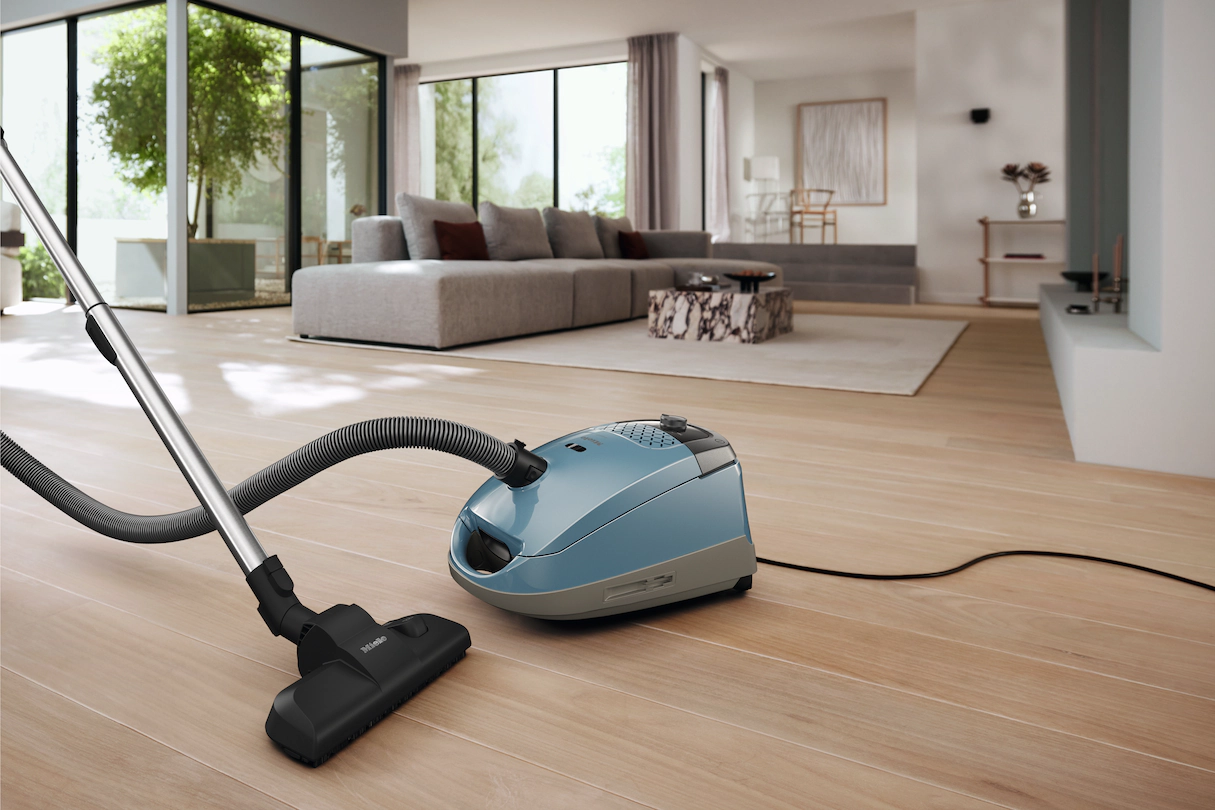
Canister vacuums separate the motor and dustbin into a canister unit that you pull behind you, with a long hose and wand for cleaning. Their main advantage is versatility. The lightweight wand makes them fantastic for cleaning stairs, upholstery, curtains, and hard-to-reach corners. When considering how to tackle multi-level homes, the flexibility offered by these models is a significant factor, a point of interest for anyone looking to buy a vacuum cleaner for stairs.
Cordless Stick Vacuums
The convenience of cordless vacuums is undeniable. They are lightweight, easy to grab for quick cleanups, and a lifesaver for small apartments. In recent years, high-end models have started to incorporate HEPA filtration and sealed systems, making them a viable option for allergy sufferers. Just be mindful of their smaller dustbin capacity and battery life.
Robotic Vacuums
A robotic vacuum can be an excellent supplemental tool. It can run daily to keep surface-level dust and pet hair under control, reducing the overall allergen load in your home. However, it should not be your only vacuum. Most lack the deep-cleaning power and advanced filtration of a full-sized upright or canister model.
What’s the Best Way to Use a Vacuum for Allergy Relief?
Buying the right vacuum is half the battle; using it effectively is the other half.
- Vacuum Frequently: For severe allergy sufferers, vacuuming high-traffic areas 2-3 times a week is ideal.
- Go Slow: Rushing through the job won’t give the brush roll and suction enough time to pull up deep-down allergens. A slow, deliberate pace is far more effective.
- Maintain Your Machine: A clogged filter or a full bag will cripple your vacuum’s performance. Replace bags when they are two-thirds full and wash or replace your filters according to the manufacturer’s instructions.
- Air Out the Room: If possible, open a window or run an air purifier while you vacuum to help clear out any allergens that do get disturbed.
Exploring forward-thinking designs and technologies is also a wise strategy for long-term satisfaction, and for those interested in what the future holds, researching a buy luxury vacuum cleaner 2025 could reveal next-generation features that further enhance air quality.
Frequently Asked Questions
How often should I vacuum to help with allergies?
For optimal allergy relief, it’s recommended to vacuum high-traffic areas at least twice a week and the entire house once a week. If you have pets or live in an area with high pollen, you may need to vacuum more frequently.
Are bagless vacuums really that bad for allergies?
While not inherently “bad,” they pose a higher risk of allergen exposure during disposal. If you empty a bagless canister, a cloud of fine dust is almost always released. Bagged vacuums contain these allergens much more effectively, making them the superior choice for most sufferers.
What is a True HEPA filter, really?
A True HEPA filter is an air filter that meets a specific government standard of performance. It must be able to trap 99.97% of airborne particles that are 0.3 microns in size. This specific size is used for testing because it’s one of the hardest particle sizes to trap.
Does a more expensive vacuum mean better allergy performance?
Not always, but there is a strong correlation. Higher-priced vacuums are more likely to have crucial features like a completely sealed system, durable components, and high-quality HEPA filtration. Price doesn’t guarantee performance, but the essential features for allergy sufferers are rarely found in budget models.
Can a vacuum cleaner remove pet dander completely?
No single tool can remove it completely, but a high-quality vacuum designed for allergy sufferers is the most effective weapon. It can remove a vast majority of dander from your floors and furniture, significantly reducing the allergen load in your home and providing substantial relief.
Your Health is Worth the Investment
Choosing to buy a vacuum cleaner for allergy sufferers is a proactive step toward a healthier, more comfortable home. By focusing on the non-negotiables—a True HEPA filter, a completely sealed system, and the right style for your needs—you can turn your cleaning routine from a chore into a powerful form of therapy. You’ll not only be removing visible dirt but capturing the invisible triggers that disrupt your life. Take a deep breath; relief is just a vacuum away.
Get our weekly buyer guide
Practical specs, not advice. Unsubscribe anytime.