Let’s be honest, nobody loves vacuuming. It’s a chore. But what if it could be… less of a chore? What if your vacuum wasn’t just a clunky tool you drag out of the closet, but a sophisticated piece of engineering that actually makes your home cleaner, healthier, and your life easier? That’s the promise when you decide to buy a luxury vacuum cleaner 2025. Did you know the average home can accumulate up to 40 pounds of dust per year? A high-end machine isn’t just about picking up crumbs; it’s about tackling that invisible world of dust mites, allergens, and pollutants. This guide is your personal consultation, breaking down exactly what you’re paying for and how to choose the right premium machine that will feel less like an appliance and more like an investment in your well-being.
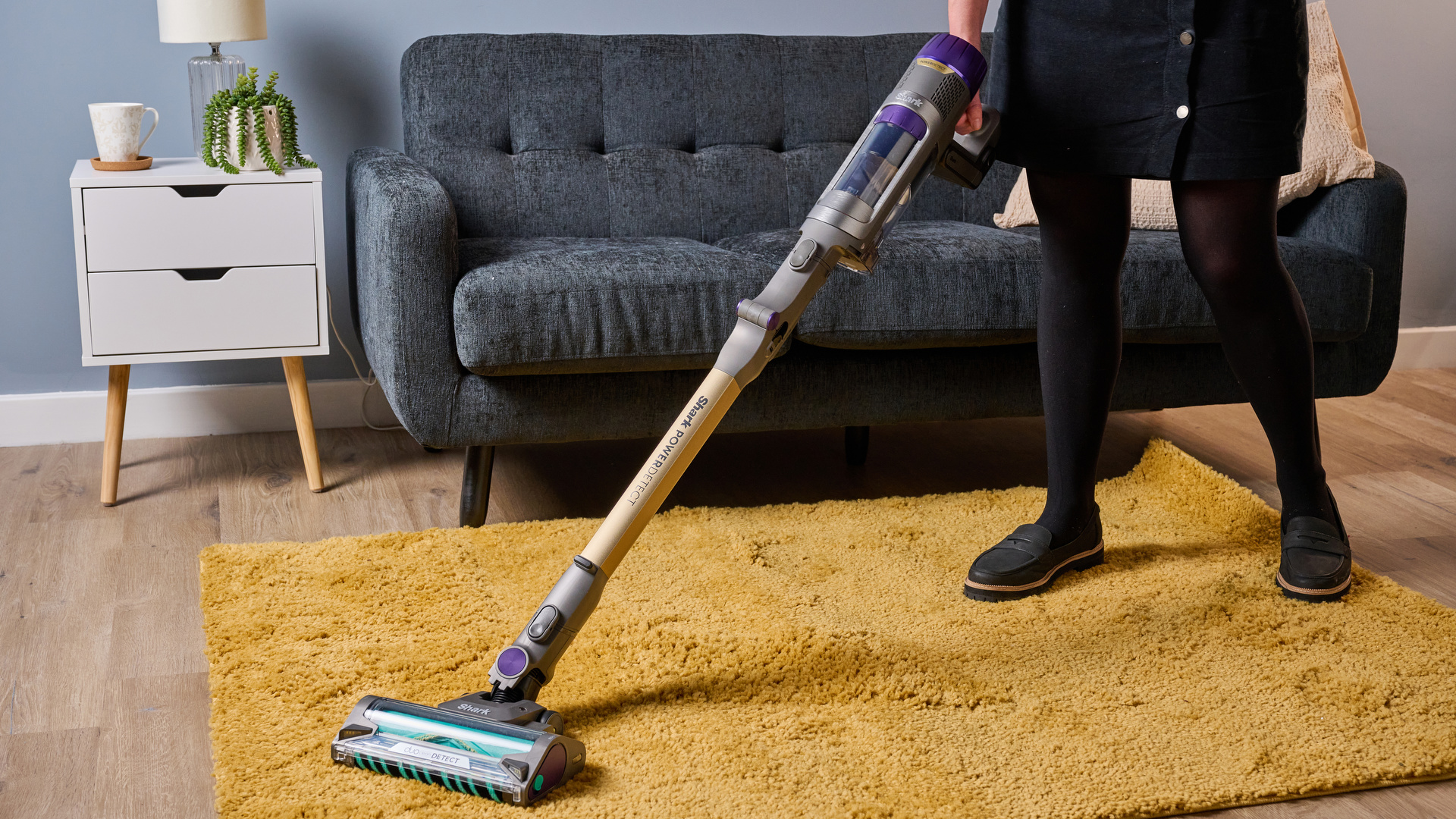
What Truly Defines a “Luxury” Vacuum?
The term “luxury” gets thrown around a lot, but in the world of floor care, it’s not just about a sleek design or a hefty price tag. It’s about a fundamental difference in performance, durability, and user experience. Think of it as the difference between a standard sedan and a high-performance sports car; they both get you from A to B, but how they do it is worlds apart.
Superior Suction and Unwavering Performance
A standard vacuum might boast high “Air Watts” on the box, but a luxury model delivers that power consistently. It doesn’t lose suction as the bin fills up or after a few months of use. This is thanks to advanced cyclonic technology and powerful, digitally controlled motors that maintain peak performance on everything from hardwood floors to the plushest, deep-pile carpets.
Advanced Filtration: It’s All About the Air You Breathe
This is arguably the most significant upgrade. Most luxury vacuums feature a fully sealed, multi-stage filtration system, culminating in a HEPA filter. A true HEPA filter captures 99.97% of particles as small as 0.3 microns. What does that mean in plain English? It traps pet dander, pollen, dust mite feces, and even some bacteria, preventing them from being exhausted back into your air. It’s not just cleaning your floors; it’s purifying your home’s environment.
Premium Build Quality and Intelligent Design
You can feel the difference the moment you pick one up. Luxury vacuums use high-grade materials like carbon fiber and reinforced ABS plastics. They’re built to last a decade, not just a couple of years. Ergonomics are also paramount—they are meticulously balanced, lightweight, and feature intuitive controls and clever attachments that click into place with satisfying precision.
Key Features to Consider When You Buy a Luxury Vacuum Cleaner 2025
Navigating the high-end market can be daunting. Let’s cut through the marketing jargon and focus on what truly matters for your home.
Cordless Freedom vs. Corded Stamina
The gap between cordless and corded models has narrowed dramatically. Top-tier cordless stick vacuums now offer incredible suction power, rivaling many uprights. They are perfect for quick clean-ups and entire home cleaning in small to medium-sized spaces. Their main limitation is battery life, though many luxury models now come with swappable batteries. Corded vacuums, on the other hand, offer unlimited runtime and often slightly more raw power, making them ideal for very large homes with extensive carpeting.
Bagged or Bagless: The Cleanliness Debate
This used to be a simple choice, but luxury models have elevated both options.
- Bagless: The convenience is undeniable. You can see the machine working, and there are no ongoing costs for bags. High-end bagless systems have hygienic bin-emptying mechanisms to minimize your contact with dust.
- Bagged: This is the gold standard for allergy sufferers. The self-sealing bags trap every last particle. When it’s full, you simply toss the entire bag, ensuring no dust cloud escapes back into your home. It’s the cleanest disposal method, period.
The Brains of the Operation: Smart Features
2025 models are smarter than ever. Look for features like:
- Automatic Suction Adjustment: Sensors detect the floor type and automatically increase power on carpets and decrease it on hard floors, optimizing cleaning and battery life.
- Laser Dust Detection: Some models use angled lasers to illuminate microscopic dust on hard floors that you can’t normally see. I was skeptical until I tried it—it’s a game-changer.
- LCD Screens: Get real-time feedback on battery life, power mode, and even the size and number of particles being picked up.
Matching the Machine to Your Home: A Personalized Guide
The best vacuum for a city apartment dweller is not the best for a family with three dogs in the suburbs. Let’s find your perfect match.
For the Pet Parent Overwhelmed by Fur
I’ve been there. My Golden Retriever sheds enough to knit a whole new dog every week. If pet hair is your nemesis, you need a machine with a specialized, anti-tangle brush head. These are designed with combs or unique bristle patterns to prevent hair from wrapping around the roller. Combine that with powerful suction and a sealed HEPA system to trap dander, and you’ll reclaim your home.
For Homes with Mostly Hardwood, Tile, or Laminate
You might think any vacuum will do, but you’d be wrong. A bad vacuum can scatter debris or even scratch delicate floors. The hero for hard floors is a soft fluffy roller head. It replaces traditional bristles with a soft, plush material that gently dusts and polishes your floors while capturing everything from fine dust to larger debris like cereal.
For the Carpet Connoisseur
If your home is a sea of plush, deep-pile carpets, you need raw power and an aggressive, motorized brush roll. Look for models with stiff bristles that can agitate deep into the carpet fibers to dislodge embedded dirt and grit. A machine with a larger dustbin is also a plus, as thick carpets tend to hold a lot more dirt.
|
Our Picks for the Best Vacuum Cleaner in 2026
As an Amazon Associate, we earn from qualifying purchases.
|
||
| Num | Product | Action |
|---|---|---|
| 1 | LEVOIT Cordless Vacuum Cleaner, Stick Vac with Tangle-Resistant Design, Up to 50 Minutes, Powerful Suction, Rechargeable, Lightweight, and Versatile for Carpet, Hard Floor, Pet Hair, LVAC-200 |

|
| 2 | Shark | Upright Vacuum Cleaner | Navigator Lift-Away | Swivel Steering | HEPA Filter | Vacuum for Pet Hair | Crevice Tool & Dusting Brush Included | For Carpets & Hard Floors | White/Silver | NV356E |
|
| 3 | Shark | Pet Cordless Vacuum Cleaner | LED Headlights | Removable Handheld Vacuum for Pet Hair | Crevice Tool & Pet Multi-Tool Included | 40min Runtime | For Carpet & Hard Floors | Grey | IX141 |
|
| 4 | BISSELL CleanView Compact Turbo Upright Vacuum with Quick Release Wand, Full Size Power, Compact Size for Apartments & Dorms, 3437F |
|
| 5 | Shark NV352 Navigator Lift Away Upright Vacuum, Hepa Filter, Anti-Allergen Technology, Swivel Steering, Ideal for Carpet, Stairs, & Bare Floors, with Wide Upholstery & Crevice Tools, Lavender |
|
| 6 | Shark HV322 Rocket Deluxe Pro Corded Stick Vacuum with LED Headlights, XL Dust Cup, Lightweight, Perfect for Pet Hair Pickup, Converts to a Hand Vacuum, with Pet Attachments, Bordeaux/Silver |
|
| 7 | BISSELL CleanView Compact Upright Vacuum, Fits in Dorm Rooms & Apartments, Lightweight with Powerful Suction and Removable Extension Wand, 3508 |
|
| 8 | BLACK+DECKER dustbuster AdvancedClean Cordless Handheld Vacuum, Compact Home and Car Vacuum with Crevice Tool (CHV1410L) |
|
| 9 | Amazon Basics Upright Bagless Vacuum Cleaner for Carpet and Hard Floors, With Crevice and Upholstery Tools, Detachable Handle, Lightweight (8.4 lbs), 1.7L Dust Cup, 720W, 25ft Cord, Black/White |
|
| 10 | BLACK+DECKER dustbuster QuickClean Cordless Handheld Vacuum, Car Vacuum Portable (HNVC215B10) |
|
How Often Should You Replace a Vacuum Filter?
As a general rule, you should check and clean your vacuum’s filters every one to three months, and replace them entirely every six to twelve months. However, this depends heavily on the filter type and your usage.
A quick answer is essential here: Replace non-washable HEPA filters every 6-12 months and washable foam or felt filters when they show signs of wear and tear, even after cleaning. Always consult your vacuum’s manual for specific recommendations. Following this simple rule ensures your machine maintains optimal suction power and air filtration.
“People often focus solely on suction, but a vacuum cleaner is an air-moving system. If the filters are clogged, you’re not just losing cleaning power; you’re potentially recirculating fine dust particles back into your living space. A clean, high-quality filter is non-negotiable for a truly clean home.”
— Dr. Alistair Finch, Household Environmental Engineer
Maintaining Your Investment: A Simple Checklist
A luxury vacuum is built to last, but a little TLC will ensure it performs at its peak for years to come.
- [ ] Empty the Bin/Replace the Bag: Do this regularly, before it gets completely full.
- [ ] Clean the Brush Roll: Once a month, check for and remove any tangled hair or string.
- [ ] Wash the Filters: If you have washable filters, rinse them with cold water (no soap!) and let them air dry completely for at least 24 hours before reinserting.
- [ ] Check for Blockages: If you notice a drop in suction, check the hose, wand, and cleaner head for any obstructions.
Frequently Asked Questions
Is a luxury vacuum cleaner really worth the money?
Absolutely, if you value performance, air quality, and durability. It’s an investment. A cheaper vacuum might last 2-3 years, while a high-end model can easily last over 10 years with proper care, delivering superior cleaning the entire time.
What is the best luxury vacuum brand in 2025?
Brands like Dyson, Miele, and SEBO consistently lead the market. Dyson is known for its cutting-edge cordless technology and powerful cyclonic suction. Miele and SEBO are German-engineered powerhouses, celebrated for their incredibly durable canister and upright vacuums and exceptional filtration.
How long should a high-end vacuum cleaner last?
With proper maintenance, a quality luxury vacuum cleaner should last between 10 and 20 years. The motors are built for longevity, and parts are often readily available for repairs, unlike many budget models which are essentially disposable.
Do robot vacuums count as luxury vacuums?
Yes, the high-end robot vacuum market is a key part of the luxury space. Top models from brands like Roborock and iRobot offer features like self-emptying and self-washing docks, advanced AI navigation, and powerful suction, providing a truly automated and premium cleaning experience.
What’s more important: suction power or the cleaner head design?
They are a team. You can have the most powerful motor in the world, but with a poorly designed cleaner head, that power is wasted. A great cleaner head is designed to create a seal with the floor, directing all the suction to where it’s needed and agitating debris effectively. A luxury vacuum excels at both.
Your Cleanest Home Awaits
Choosing to buy a luxury vacuum cleaner 2025 is about more than just cleaning; it’s about upgrading your home environment. It’s about spending less time fighting with a frustrating machine and more time enjoying a genuinely spotless space. By focusing on superior filtration, intelligent design, and performance that matches your specific needs—whether it’s pet hair, deep carpets, or delicate hard floors—you’re not just buying an appliance. You’re investing in a healthier, cleaner home for years to come. Now, which one will you choose to transform your cleaning routine?
One thought on “The Ultimate Guide to Buy a Luxury Vacuum Cleaner 2025”