Let’s be honest, vacuuming can feel like a chore you just want to get over with. You zip around the room, the machine makes a satisfyingly loud noise, and you tick it off your to-do list. But have you ever looked down a few hours later and seen those pesky specks of dirt still peeking out from between the fibers? The truth is, learning how to use a vacuum cleaner on carpet effectively is less about speed and more about technique. It’s the difference between a surface-level tidy and a truly deep, satisfying clean that protects your health and your carpet’s lifespan.
Did you know that a single square yard of carpet can hold up to one pound of dirt? Yikes. But don’t worry. We’re about to turn you into a carpet-cleaning connoisseur. Forget the frantic five-minute dash; we’ll show you the pro-level methods that get deep into the pile, banish allergens, and leave your floors looking and feeling brand new.
For those encountering issues before they even start, understanding the common reasons for poor performance can be a lifesaver. Sometimes, the problem is simpler than you think, and learning how to fix vacuum cleaner no suction can get you back on track in minutes.
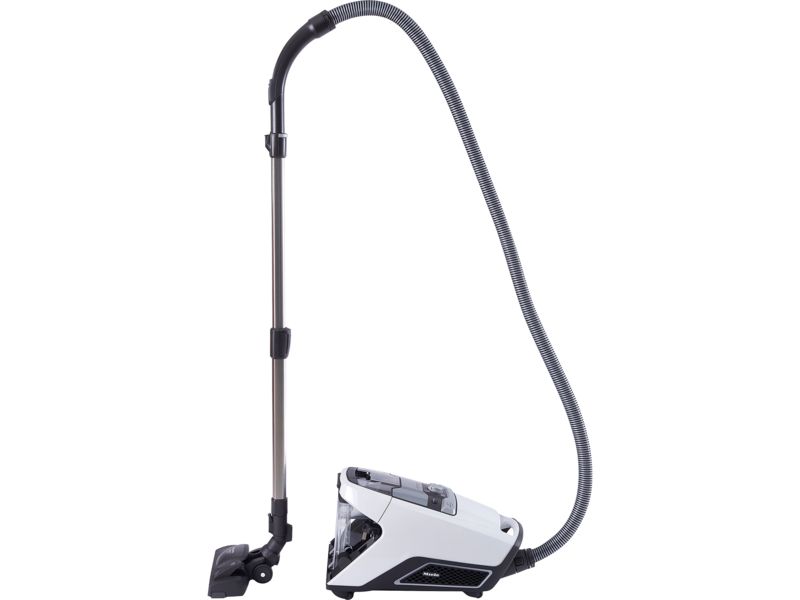
First Things First: Prep Work is Key
Before you even think about plugging in that machine, a little prep work goes a long way. Think of it like a chef arranging their ingredients before cooking—it makes the whole process smoother and more effective.
1. Clear the Floor
This might seem obvious, but it’s the most overlooked step. Pick up any toys, shoes, magazines, or small items. You’re not just preventing your vacuum from sucking up a rogue Lego; you’re also giving yourself long, clear pathways to work with. This allows for a more consistent and thorough cleaning pattern.
2. Check Your Vacuum
Give your machine a quick health check. Is the bag or canister more than two-thirds full? If so, empty it. A full dustbin drastically reduces suction power. Take a peek at the brush roll (sometimes called the beater bar) and pull out any tangled hair or string. A clogged brush can’t agitate the carpet fibers properly. Finally, glance at your filters. If they’re caked in dust, it’s time for a clean.
3. Know Your Carpet Type
Not all carpets are created equal. Is yours a low-pile, tightly woven Berber, or a plush, high-pile shag? The type of carpet you have will determine the best settings to use on your vacuum cleaner.
- Low-Pile: These are dense and short (think office carpets). They are durable and relatively easy to clean.
- Medium-Pile: The most common type found in homes. They offer a balance of comfort and ease of maintenance.
- High-Pile/Shag: Luxuriously soft with long, loose fibers. They feel great underfoot but are notorious for hiding dirt and being more delicate.
Your Step-by-Step Guide on How to Use a Vacuum Cleaner on Carpet
Alright, with the prep work done, it’s time for the main event. Here’s how to vacuum your carpet for a truly deep clean.
Step 1: Adjust Your Vacuum’s Settings
Most modern upright and canister vacuums have settings you can—and should—be using.
- Height Adjustment: This is the most crucial setting. It controls the space between the vacuum and the carpet.
- For low-pile carpets, you want a lower setting so the brush can make good contact.
- For high-pile or shag carpets, you need a higher setting. If it’s too low, the vacuum’s suction will seal itself to the carpet, making it nearly impossible to push and potentially damaging the long fibers. The goal is for the brush to gently comb through the fibers, not get bogged down in them.
- Brush Roll On/Off: The spinning brush roll is fantastic for agitating dirt out of most carpets. However, for delicate looped carpets (like some Berber styles) or very high-pile shag, a powerful brush can cause fraying and damage. If your vacuum allows it, consider turning the brush off for these specific types.
Step 2: Start from the Furthest Point
Plan your route. Start in the corner furthest from the door and work your way back. This ensures you aren’t walking all over your freshly cleaned carpet, tracking dirt back onto it.
Step 3: Slow and Steady Wins the Race
This is the single biggest secret to effective carpet cleaning. Rushing the job only skims dirt off the very top. To pull up the embedded dust, grit, and allergens, you need to give the vacuum time to work its magic.
- Push the vacuum forward slowly for about three to four feet.
- Pull it back toward you even more slowly. The backward pass is where most of the suction and cleaning action happens.
- Repeat this over the same strip of carpet. Yes, the same strip! For high-traffic areas, going over the spot two or three times isn’t overkill; it’s necessary.
As product engineer David Chen from a leading vacuum manufacturer often says, “Consumers frequently overestimate the speed at which a vacuum can effectively remove deep-down dirt. Suction and agitation need time. A slow, deliberate pass is exponentially more effective than several quick ones.”
Step 4: Overlap Your Strokes
Just like mowing a lawn, you want to overlap each pass slightly. A good rule of thumb is to overlap by about one-third to one-half of the vacuum’s width. This guarantees you don’t leave any “zebra stripes” of uncleaned carpet behind.
Step 5: Change Your Direction
After you’ve covered the entire room in one direction (say, north to south), do it again in the other direction (east to west). This cross-hatching pattern is a pro-level move. Why? Because carpet fibers get pushed down in one direction from foot traffic. Vacuuming from multiple angles helps lift the pile and dislodge stubborn dirt that was trapped underneath those matted-down fibers. This technique is especially critical for those with pets, and it aligns perfectly with expert advice on how to vacuum pet hair properly.
Step 6: Use Your Attachments
Your vacuum didn’t come with all those extra tools for no reason! The main vacuum head can’t reach everywhere.
- Crevice Tool: Use this for the edges along baseboards, around radiator pipes, and in tight corners where dust bunnies love to congregate.
- Upholstery/Dusting Brush: Perfect for vacuuming carpeted stairs and any upholstered furniture you might have in the room.
These tools are your secret weapon for a truly finished look. To get the most out of them, it’s important to keep them in top condition; learning how to clean vacuum cleaner attachments ensures they are always ready for action.
How Often Should You Be Vacuuming Your Carpets?
This is a common question, and the answer is: it depends. For a truly effective cleaning routine, you should vacuum high-traffic areas like living rooms and hallways at least twice a week, and the entire carpeted area of your home once a week.
However, you should increase the frequency if:
- You have pets: Pet hair and dander build up incredibly fast. Aim for every other day in main living areas.
- You have allergies or asthma: Frequent vacuuming with a machine that has a good HEPA filter is one of the best ways to remove allergens like dust mites and pollen from your home.
- You live in a dusty area or have kids: More feet (big and small) means more dirt being tracked in.
Frequently Asked Questions (FAQ)
Q1: Why does my vacuum leave lines on the carpet? Is that bad?
A: Not at all! Those lines, called “vacuum marks,” are actually a sign that you’re doing a good job. They show that the vacuum has lifted the carpet pile, which is exactly what you want. They’ll typically fade as people walk on the carpet.
Q2: Can I use a vacuum cleaner on a brand new carpet?
A: Yes, but expect a lot of “fluff.” New carpets go through a shedding phase where they release loose fibers from the manufacturing process. This is completely normal. Just be prepared to empty your vacuum’s canister or bag more frequently for the first few months.
Q3: What’s the best type of vacuum for high-pile, shag carpet?
A: A vacuum with adjustable height settings and the option to turn off the beater bar is ideal. A bagless canister vacuum with a specialized powerhead for high-pile carpets often works best, as it combines strong suction power with a gentle touch. Cordless stick vacuums can also be great if they have a soft roller head.
Q4: Can I vacuum a wet patch on my carpet?
A: Absolutely not, unless you own a specific wet/dry vacuum cleaner. Using a standard household vacuum on a wet surface is a serious safety hazard that can cause electric shock and will almost certainly ruin the machine. Blot spills with a towel first and let them dry completely.
Q5: My vacuum starts to smell when I use it on the carpet. What’s wrong?
A: A bad smell is usually caused by old pet hair, mold, or bacteria that has built up inside the bag, bin, or on the filter. Empty the bin, replace the bag if you have one, and wash or replace your filters according to the manufacturer’s instructions.
The Final Pass
Mastering how to use a vacuum cleaner on carpet isn’t about having the most expensive machine; it’s about using the one you have with the right technique. By preparing your space, using the correct settings, and adopting a slow, methodical approach, you’ll pull more dirt out of your carpets than you ever thought possible.
The payoff is more than just a cleaner-looking floor. It’s a healthier home with fewer allergens, a longer life for your carpet, and the deep satisfaction of a job done right. So next time you pull out the vacuum, take a deep breath, slow down, and put these tips into action. Your carpets will thank you for it.