Let’s be honest, we’ve all been there. Tucked away in a garage corner or the back of a closet sits a retired vacuum cleaner. Maybe its suction power has faded, it’s been replaced by a shiny new cordless model, or it simply gave up the ghost mid-clean. Your first instinct might be to haul it to the curb with the weekly trash, but hold on a second. Knowing how to recycle an old vacuum cleaner is not just good for the planet; it’s the responsible way to say goodbye to your trusty cleaning companion. Tossing it in a landfill means valuable metals, plastics, and electronics go to waste.
So, what’s the right way to handle this bulky piece of e-waste? Don’t worry, we’re about to break it all down. This isn’t just about chucking it in a blue bin. We’ll guide you through every step, from deciding if it can be saved to finding the perfect drop-off spot.
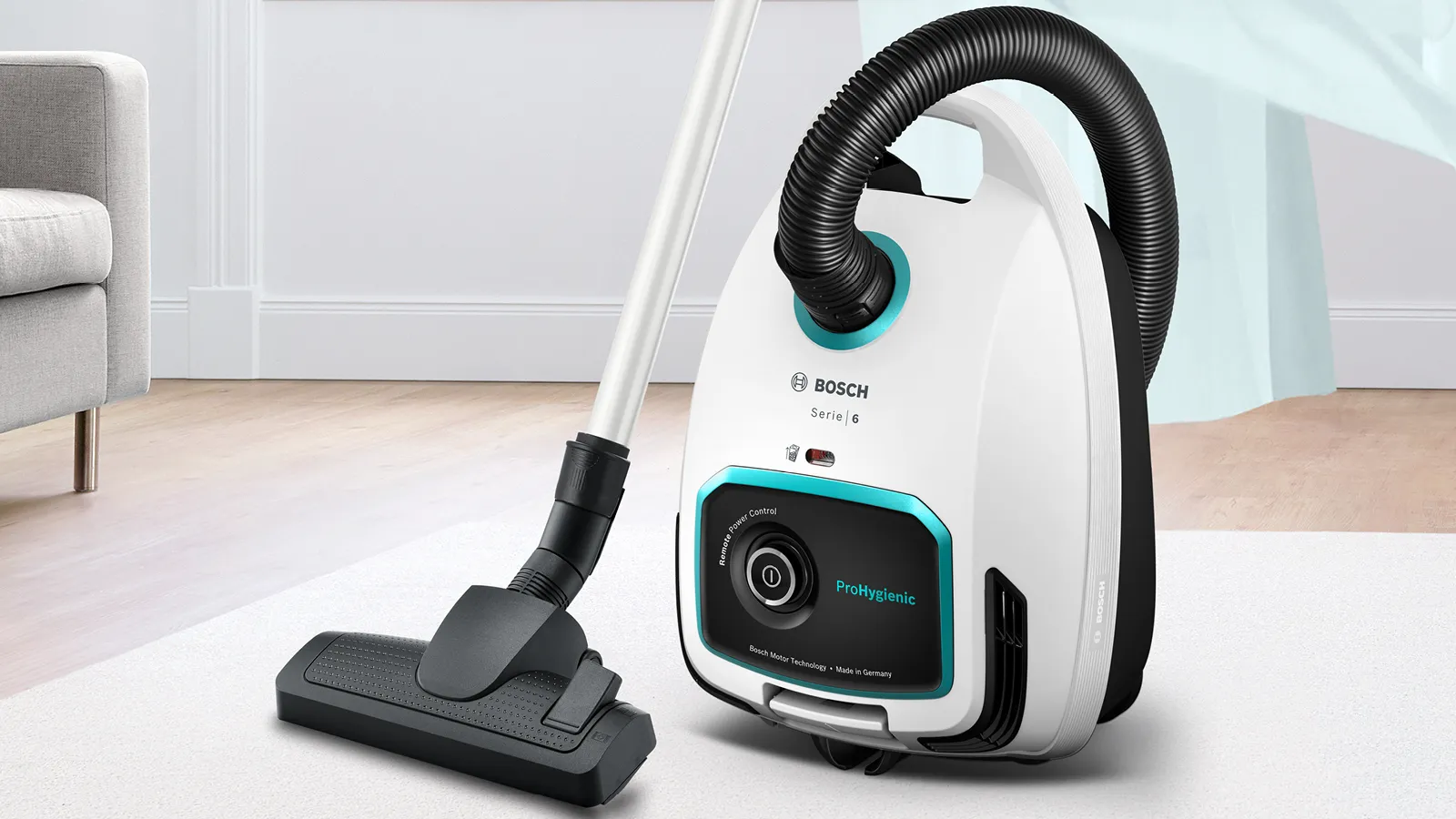
Why You Can’t Just Throw Your Old Vacuum in the Bin
You might be thinking, “It’s just one vacuum, what’s the big deal?” Think of it like this: a vacuum cleaner is a complex cocktail of materials. It’s got a motor (copper and steel), a body (lots of plastic), wiring, and sometimes, a powerful lithium-ion battery if it’s a cordless stick vacuum.
When these items end up in a landfill, they don’t just disappear.
- Plastics: Most vacuum shells are made from ABS plastic, which can take centuries to break down, leaching chemicals into the soil along the way.
- Metals: The motor and other internal components contain valuable metals like copper and aluminum that can be recovered and reused, reducing the need for new mining operations.
- Hazardous Components: This is the big one, especially for modern vacuums. The batteries in cordless models are considered hazardous waste. If they get crushed in a garbage truck, they can spark fires. They also contain heavy metals that should never end up in our soil or water.
Simply put, a vacuum cleaner is “e-waste” (electronic waste), and it requires special handling.
First Things First: Your Pre-Recycling Checklist
Before you start searching for a recycling center, run through this quick checklist. You might find an even better solution than recycling.
1. Assess the Damage: Is It Repairable?
Sometimes, a vacuum isn’t dead, it’s just… struggling. A dramatic loss of suction power could be something as simple as a massive clog in the hose or a filter that’s begging to be cleaned or replaced.
- Check for Clogs: Unplug the vacuum and inspect the hose, wand, and floorhead for obstructions.
- Clean or Replace the Filters: A clogged filter chokes the motor’s airflow. Whether you have a washable foam filter or a disposable HEPA filter, giving it some attention can bring a machine back to life. Check out our guide on cleaning vacuum filters.
- Inspect the Belt: On many upright models, a broken belt is a common culprit. They are surprisingly cheap and easy to replace.
If a simple fix gets it running again, you’ve just saved a perfectly good appliance from the scrap heap!
2. Prepare Your Vacuum for Its Final Journey
If it’s truly beyond repair, you need to prep it for recycling. This makes the process safer and more efficient for the recycling facility.
- Unplug It: This seems obvious, but it’s the most important safety step.
- Remove All Detachables: Take off the hose, wand, and any attachments. These can often be recycled separately or sometimes even reused with other models from the same brand.
- Empty It Out: If it’s a bagless model, empty the dustbin completely. For bagged models, remove and discard the bag in your regular trash. No one at the recycling center wants a face full of dust and pet hair.
- Crucial Step: Remove the Battery (for Cordless Models): If you have a cordless vacuum, you must remove the battery pack. This is the most hazardous part. Most batteries click or slide out easily. Place tape over the battery’s metal contact points to prevent any accidental shorts. The battery needs to be recycled at a dedicated battery drop-off, which many hardware and electronics stores offer.
- Cut the Cord (Optional but Recommended): Some recycling centers ask you to snip the power cord off. The copper inside is highly valuable for recycling. You can coil it up and keep it with the vacuum’s body.
The Best Options for How to Recycle an Old Vacuum Cleaner
Okay, your vacuum is prepped and ready to go. Now, where does it go? You have a few excellent options.
Option 1: Your Local E-Waste Recycling Center
This is the most common and effective method. Most towns, cities, or counties have a municipal waste and recycling facility that accepts e-waste.
- How to Find One: A quick search for “e-waste recycling near me” or “appliance recycling [your city name]” will usually do the trick. Websites like Earth911 or Call2Recycle have fantastic search tools to help you find a certified location.
- What to Expect: Some centers have free drop-off days, while others may charge a very small fee to cover the costs of safely dismantling the appliance.
Option 2: Retailer Take-Back Programs
Many big-box electronics and home goods stores have their own recycling programs. They’ve made it a core part of their business to help consumers dispose of old products responsibly.
Stores like Best Buy and Staples have robust programs and will often take any brand of vacuum, regardless of where you bought it. It’s always a good idea to call your local store ahead of time to confirm they accept vacuums and to ask if there are any special instructions.
Option 3: Manufacturer Recycling Programs
Some vacuum cleaner manufacturers have their own mail-in or take-back programs. This is a great way to ensure the components are handled by the people who know the product best. Check the support or sustainability section of the brand’s website (Dyson, Shark, Bissell, etc.) to see if they offer a program.
“When manufacturers handle recycling, they can often recover specific proprietary parts and materials more efficiently,” notes Dr. Eleanor Vance, an environmental engineer. “This ‘closed-loop’ system is the gold standard for sustainable product lifecycle management.”
What If It Still Works? The Better Alternative: Reuse!
Recycling is great, but reusing is even better. If your old vacuum still works but you’ve simply upgraded, don’t send it to the shredder! Give it a second life.
- Donate It: Local charity shops, thrift stores (like Goodwill or Salvation Army), animal shelters, and community centers are often thrilled to receive a working vacuum cleaner. It can help them keep their own spaces clean or be sold to raise funds for their cause.
- Sell or Give It Away: Platforms like Facebook Marketplace, Craigslist, or Freecycle are perfect for finding your old vacuum a new home. You might even make a few bucks, or at the very least, know that it’s going to someone who needs it.
|
Our Picks for the Best Vacuum Cleaner in 2026
As an Amazon Associate, we earn from qualifying purchases.
|
||
| Num | Product | Action |
|---|---|---|
| 1 | Shark HV322 Rocket Deluxe Pro Corded Stick Vacuum with LED Headlights, XL Dust Cup, Lightweight, Perfect for Pet Hair Pickup, Converts to a Hand Vacuum, with Pet Attachments, Bordeaux/Silver |

|
| 2 | BISSELL CleanView Compact Turbo Upright Vacuum with Quick Release Wand, Full Size Power, Compact Size for Apartments & Dorms, 3437F |
|
| 3 | Shark NV352 Navigator Lift Away Upright Vacuum, Hepa Filter, Anti-Allergen Technology, Swivel Steering, Ideal for Carpet, Stairs, & Bare Floors, with Wide Upholstery & Crevice Tools, Lavender |
|
| 4 | BISSELL CleanView Compact Upright Vacuum, Fits in Dorm Rooms & Apartments, Lightweight with Powerful Suction and Removable Extension Wand, 3508 |
|
| 5 | Amazon Basics Upright Bagless Vacuum Cleaner for Carpet and Hard Floors, With Crevice and Upholstery Tools, Detachable Handle, Lightweight (8.4 lbs), 1.7L Dust Cup, 720W, 25ft Cord, Black/White |
|
| 6 | LEVOIT Cordless Vacuum Cleaner, Stick Vac with Tangle-Resistant Design, Up to 50 Minutes, Powerful Suction, Rechargeable, Lightweight, and Versatile for Carpet, Hard Floor, Pet Hair, LVAC-200 |
|
| 7 | Shark | Upright Vacuum Cleaner | Navigator Lift-Away | Swivel Steering | HEPA Filter | Vacuum for Pet Hair | Crevice Tool & Dusting Brush Included | For Carpets & Hard Floors | White/Silver | NV356E |
|
| 8 | Shark | Pet Cordless Vacuum Cleaner | LED Headlights | Removable Handheld Vacuum for Pet Hair | Crevice Tool & Pet Multi-Tool Included | 40min Runtime | For Carpet & Hard Floors | Grey | IX141 |
|
| 9 | BLACK+DECKER dustbuster QuickClean Cordless Handheld Vacuum, Car Vacuum Portable (HNVC215B10) |
|
| 10 | BLACK+DECKER dustbuster AdvancedClean Cordless Handheld Vacuum, Compact Home and Car Vacuum with Crevice Tool (CHV1410L) |
|
Now that you’ve responsibly rehomed your old cleaner, you might be in the market for a durable, efficient replacement. Finding a vacuum built to last is one of the best ways to be sustainable. Look for models with easily replaceable parts, high-quality filters, and strong warranties. Investing in a quality machine, like some of the top-rated models in our comprehensive vacuum cleaner reviews, means you won’t have to worry about recycling again for a very long time.
Frequently Asked Questions (FAQ)
Can I put a vacuum cleaner in the dumpster?
No, you should never put a vacuum cleaner in a regular dumpster or trash bin. It’s considered e-waste and contains plastics, metals, and potentially hazardous materials (like batteries) that need to be disposed of at a proper recycling facility.
What parts of a vacuum cleaner are recyclable?
Most of a vacuum cleaner can be recycled. The primary recyclable components are the plastic body, the metal motor and screws, the PVC-coated copper wire in the power cord, and the aluminum wands. Filters and disposable bags are generally not recyclable.
How do I dispose of a cordless vacuum cleaner battery?
The battery must be removed from the vacuum before recycling the main body. Lithium-ion batteries are hazardous and should be taken to a dedicated battery recycling drop-off point. Many electronics stores, hardware stores, and municipal recycling centers have these.
Are vacuum cleaner bags or filters recyclable?
Unfortunately, used vacuum cleaner bags and filters are not recyclable. They are contaminated with dirt, dust, and debris. They should be disposed of in your regular household trash.
Where is the best place to find an e-waste recycling center?
You can typically find the nearest e-waste center by checking your local city or county’s public works or sanitation department website. Additionally, online resources like Earth911.com allow you to search for recycling locations by material and zip code.
Your Final Clean-Up Act
Choosing the right path for your old vacuum cleaner is a small act that has a big impact. By taking a few extra minutes to assess, prep, and find the right drop-off location, you’re keeping harmful materials out of landfills, conserving natural resources, and contributing to a healthier planet. The next time you upgrade your cleaning arsenal, you’ll know exactly how to recycle an old vacuum cleaner the right way. It’s the final, and most important, clean-up job your old vacuum will ever be a part of.