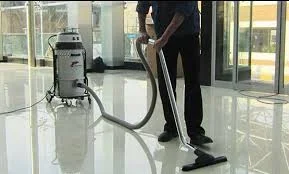
Cleaning a commercial workshop, construction site, or factory floor requires an industrial vacuum cleaner due to the presence of fine powders, sharp debris, liquids, and potentially hazardous materials. Unlike household vacuums, industrial models offer superior durability, power, capacity, and advanced filtration systems, making them essential for efficiency, safety, and maintaining a clean environment in demanding settings. These specialized machines are designed to handle continuous, heavy-duty operation and diverse types of waste that standard cleaners cannot manage.
Why Your Regular Vacuum Just Won’t Cut It
Using a domestic vacuum for an industrial job is ineffective because standard cleaners are designed for comfort, quiet operation, and light debris. Industrial vacuums, however, are purpose-built for rigorous tasks.
- Durability: They are constructed from robust materials like stainless steel or thick-walled polypropylene to withstand knocks, drops, and corrosive materials.
- Power: Their motors are engineered for continuous, high-demand operation, delivering vastly superior suction and airflow.
- Capacity: They feature large collection tanks (measured in gallons, not quarts) to handle significant amounts of debris without constant emptying.
- Filtration: They offer advanced, multi-stage filtration systems designed to capture everything from large wood chips to microscopic airborne particles that pose a health risk.
Simply put, using the wrong tool for the job leads to broken equipment, poor results, and potential safety hazards.
Key Factors When You Buy Industrial Vacuum Cleaner
Navigating the specifications can feel overwhelming, but it boils down to a few core concepts. Let’s demystify the most important features.
Suction Power vs. Airflow: The Dynamic Duo
This is the most misunderstood aspect of vacuum performance. You need both, but for different reasons.
- Water Lift (or Sealed Suction): Measured in inches, this tells you the vacuum’s power to lift heavy debris. Think of it as pure muscle. A high water lift is crucial for picking up dense materials like nuts, bolts, or thick sludge. It’s the “suck” that pulls objects from a standstill.
- Airflow (CFM – Cubic Feet per Minute): This measures the volume of air the vacuum moves. Think of it as speed and reach. High CFM is essential for capturing light, fine dust particles from a distance before they become airborne. It’s what keeps the air in your workshop clean, not just the floor.
The takeaway: For heavy debris, prioritize Water Lift. For fine dust control, prioritize CFM. A great industrial vacuum has a healthy balance of both.
Wet/Dry Capability: More Than Just Spills
Many industrial environments have to deal with both solids and liquids—sometimes at the same time. A wet/dry industrial vacuum is a major upgrade. These machines are equipped with float-shutoff mechanisms that prevent water from reaching the motor, making them perfect for cleaning up coolant spills, flooded areas, or pressure washing runoff. When you need to buy an industrial vacuum cleaner, this versatility is often a non-negotiable feature.
Filtration Systems: From Sawdust to Hazardous Dust
|
Our Picks for the Best Vacuum Cleaner in 2026
As an Amazon Associate, we earn from qualifying purchases.
|
||
| Num | Product | Action |
|---|---|---|
| 1 | Shark HV322 Rocket Deluxe Pro Corded Stick Vacuum with LED Headlights, XL Dust Cup, Lightweight, Perfect for Pet Hair Pickup, Converts to a Hand Vacuum, with Pet Attachments, Bordeaux/Silver |

|
| 2 | BLACK+DECKER dustbuster AdvancedClean Cordless Handheld Vacuum, Compact Home and Car Vacuum with Crevice Tool (CHV1410L) |
|
| 3 | Shark NV352 Navigator Lift Away Upright Vacuum, Hepa Filter, Anti-Allergen Technology, Swivel Steering, Ideal for Carpet, Stairs, & Bare Floors, with Wide Upholstery & Crevice Tools, Lavender |
|
| 4 | LEVOIT Cordless Vacuum Cleaner, Stick Vac with Tangle-Resistant Design, Up to 50 Minutes, Powerful Suction, Rechargeable, Lightweight, and Versatile for Carpet, Hard Floor, Pet Hair, LVAC-200 |
|
| 5 | BISSELL CleanView Compact Upright Vacuum, Fits in Dorm Rooms & Apartments, Lightweight with Powerful Suction and Removable Extension Wand, 3508 |
|
| 6 | Amazon Basics Upright Bagless Vacuum Cleaner for Carpet and Hard Floors, With Crevice and Upholstery Tools, Detachable Handle, Lightweight (8.4 lbs), 1.7L Dust Cup, 720W, 25ft Cord, Black/White |
|
| 7 | Shark | Pet Cordless Vacuum Cleaner | LED Headlights | Removable Handheld Vacuum for Pet Hair | Crevice Tool & Pet Multi-Tool Included | 40min Runtime | For Carpet & Hard Floors | Grey | IX141 |
|
| 8 | BISSELL CleanView Compact Turbo Upright Vacuum with Quick Release Wand, Full Size Power, Compact Size for Apartments & Dorms, 3437F |
|
| 9 | Shark | Upright Vacuum Cleaner | Navigator Lift-Away | Swivel Steering | HEPA Filter | Vacuum for Pet Hair | Crevice Tool & Dusting Brush Included | For Carpets & Hard Floors | White/Silver | NV356E |
|
| 10 | BLACK+DECKER dustbuster QuickClean Cordless Handheld Vacuum, Car Vacuum Portable (HNVC215B10) |
|
This isn’t just about keeping the motor clean; it’s about protecting your lungs. Industrial dust can be incredibly harmful.
- Standard Filters: Good for general debris like wood chips and dirt.
- HEPA Filters (High-Efficiency Particulate Air): This is the gold standard for fine dust. A true HEPA filter is certified to capture 99.97% of airborne particles down to 0.3 microns. It’s essential for working with drywall dust, fine sawdust, or in any environment where air quality is a health concern.
- ULPA Filters (Ultra-Low Penetration Air): A step above HEPA, capturing 99.999% of particles down to 0.12 microns. These are used in specialized environments like cleanrooms or for handling hazardous materials like asbestos.
As our go-to expert, David Miller, a Senior Product Engineer with over 20 years in industrial cleaning tech, always says: “The motor gives you performance, but the filter gives you safety. Never compromise on filtration, especially when dealing with respirable dust. It’s an investment in your long-term health.”
Tank Capacity and Material: Built to Last
The size of the tank, measured in gallons, dictates how long you can work before stopping to empty it. For a small workshop, 8-12 gallons might be enough. For a large construction site, you might look at models with 20 gallons or more.
The material matters, too. Heavy-duty plastic is lighter and resists dents, while stainless steel offers superior resistance to corrosion and is often easier to clean when dealing with sticky or chemical residues.
What Type of Industrial Vacuum Do You Need?
The right form factor depends on your specific application.
- Canister Vacuums: These are the classic, versatile workhorses. A motor on top of a drum-like canister on wheels. They offer a great balance of power, capacity, and mobility for general-purpose workshop and job site cleanup.
- Backpack Vacuums: For cleaning in tight, cluttered spaces or areas with lots of stairs, a backpack vacuum is unbeatable. They offer incredible mobility, allowing the user to move freely without dragging a canister behind them.
- Upright Industrial Vacuums: Best for cleaning large, open floor areas quickly, like warehouses or event halls. They often feature a wide cleaning path and a beater bar to agitate carpets and dislodge embedded dirt.
- Explosion-Proof / Dust Ignition-Proof Vacuums: These are highly specialized machines required for cleaning combustible dusts (like flour, fine aluminum powder, or certain chemical dusts) in hazardous locations. They are built to prevent any spark that could cause an explosion.
How Do You Maintain an Industrial Vacuum?
A little TLC goes a long way in protecting your investment and ensuring your machine runs at peak power for years.
- Check the Filter Regularly: A clogged filter is the number one cause of suction loss. Tap it clean after each use. For washable filters, follow the manufacturer’s instructions. Replace it when it shows signs of wear and tear.
- Empty the Tank Promptly: Don’t let debris sit in the tank, especially if it’s wet. This prevents mold, mildew, and corrosion.
- Inspect the Hose and Attachments: Look for cracks, blockages, or clogs. A small leak in the hose can dramatically reduce suction power at the nozzle.
- Listen to the Motor: If you hear any unusual grinding or high-pitched whining, stop using the machine and have it inspected.
- Clean the Exterior: Wipe down the machine to keep dust from building up on the motor housing, which can lead to overheating.
What is CFM in an industrial vacuum?
CFM stands for Cubic Feet per Minute and it measures the volume of air that flows through the vacuum hose in one minute. A higher CFM rating means the vacuum is better at picking up fine, lightweight debris from a larger area.
Do I really need a HEPA filter for my workshop?
If you work with materials that create fine dust, such as drywall, MDF, or you do a lot of power sanding, a HEPA filter is highly recommended. It captures the tiny, respirable dust particles that a standard filter would just blow back into the air.
Frequently Asked Questions (FAQ)
Q: Can I use an industrial vacuum cleaner for my home?
A: While you technically can, it’s often overkill. They are typically louder, heavier, and less maneuverable than domestic vacuums. However, for a home garage, workshop, or a major DIY renovation project, an industrial or “shop” style vacuum is an excellent tool to have.
Q: What is the main difference between a shop vac and a true industrial vacuum?
A: The terms are often used interchangeably, but there’s a difference. A “shop vac” is a heavy-duty consumer-grade vacuum perfect for garages and DIY tasks. A true “industrial vacuum” is built for continuous daily use in commercial settings, featuring more durable components, more powerful motors, and more advanced filtration options for safety compliance.
Q: How loud are industrial vacuums?
A: They are generally louder than household vacuums. The noise level is measured in decibels (dB), and you can often find this rating in the product specifications. For all-day use, considering hearing protection is a wise safety practice.
Q: Does hose diameter matter when I buy an industrial vacuum cleaner?
A: Absolutely. A wider diameter hose (e.g., 2.5 inches) is less likely to clog and is better for picking up large debris like wood chips. A smaller diameter hose (e.g., 1.25 inches) will have a higher velocity of airflow, which can be better for fine dust collection on specific tools.
Q: Are the attachments interchangeable between brands?
A: Not always. Hose and attachment diameters can vary between manufacturers. It’s best to use attachments designed for your specific brand or look for universal adapter kits if you need to mix and match.
Your Final Decision
Choosing to buy an industrial vacuum cleaner is a significant step towards a cleaner, safer, and more efficient workspace. By focusing on the core principles—matching suction and airflow to your debris, selecting the right filtration for your health, and picking a size and type that fits your workflow—you can confidently select a machine that will serve you well for years. Don’t just clean up the mess; master it. Now, you have the knowledge to pick the right tool for the job.
Frequently Asked Questions
Can an industrial vacuum cleaner be used for home cleaning tasks?
While technically possible, industrial vacuum cleaners are often overkill for typical home use due to their larger size, increased noise, and heavier weight. However, they are excellent for home garages, workshops, or extensive DIY renovation projects where heavy-duty cleaning is required.
What distinguishes a shop vac from a true industrial vacuum?
A 'shop vac' is a consumer-grade, heavy-duty vacuum suitable for garages and DIY tasks, whereas a 'true industrial vacuum' is engineered for continuous daily use in commercial settings. Industrial vacuums feature more durable components, powerful motors, and advanced filtration for safety compliance, unlike their consumer counterparts.
How loud are industrial vacuum cleaners during operation?
Industrial vacuums are generally louder than household models, with noise levels measured in decibels (dB) typically found in product specifications. For prolonged use, it is a wise safety practice to consider wearing hearing protection to prevent potential damage.
Is hose diameter important when selecting an industrial vacuum cleaner?
Yes, hose diameter is crucial. A wider hose, such as 2.5 inches, is less prone to clogging and more effective for picking up large debris like wood chips. Conversely, a smaller diameter hose, like 1.25 inches, provides higher airflow velocity, which is better for fine dust collection when attached to specific tools.
Are attachments for industrial vacuums interchangeable across different brands?
Attachments are not always interchangeable between brands, as hose and attachment diameters can vary among manufacturers. It is best to use attachments designed for your specific vacuum brand or to seek universal adapter kits if you need to combine accessories from different manufacturers.
Maintain an Industrial Vacuum Cleaner
Proper maintenance of your industrial vacuum cleaner ensures longevity and peak performance, protecting your investment.
A clogged filter is the primary cause of suction loss. Tap it clean after each use, and for washable filters, adhere to the manufacturer's instructions. Replace the filter promptly when it shows signs of wear and tear to maintain optimal performance.
Do not allow debris, especially wet materials, to sit in the tank for extended periods. Prompt emptying prevents the growth of mold and mildew, and also inhibits corrosion of the tank material, preserving the vacuum's integrity.
Regularly check the hose and all attachments for any cracks, blockages, or clogs. Even a small leak in the hose can significantly reduce the suction power at the nozzle, impacting cleaning efficiency.
Pay attention to the motor's sound during operation. If you detect any unusual grinding noises or a high-pitched whining, immediately stop using the machine and have it inspected by a qualified technician to prevent further damage.
Wipe down the exterior of the machine regularly to prevent dust from accumulating on the motor housing. Excessive dust buildup can lead to overheating, which can shorten the lifespan of the vacuum cleaner's motor.
Get our weekly buyer guide
Practical specs, not advice. Unsubscribe anytime.
We recently upgraded our warehouse vacuum, and while the power is great for fine powders, I wish it was a bit quieter. The article mentioned quiet operation for domestic vacuums, and I guess I just hoped for a little less noise even with an industrial model. It gets the job done, but it’s definitely loud during extended use.
We just got a new industrial vacuum for our auto shop, and it’s a game-changer. The post mentioned how regular vacuums can’t handle sharp debris, and that’s exactly what we needed. This thing sucks up metal shavings and oil spills without a problem, and the capacity means we’re not constantly emptying it. Definitely worth the investment for any commercial space.
I’ve been looking into industrial vacuums for my small construction business, and the points about durability really resonated. We’ve gone through so many regular shop vacs that just can’t stand up to the dust and larger debris on site. I’m leaning towards a model with robust materials now, knowing it’ll last longer and handle the continuous heavy-duty operation.
The advanced filtration system on our new industrial vacuum has made a huge difference in our factory. We deal with a lot of airborne particles, and the old system just wasn’t cutting it. Now, the air quality is noticeably better, and it’s much safer for our employees. It’s clear these specialized machines are essential for maintaining a clean and safe environment.