Ever had that moment of sheer frustration when your trusty vacuum cleaner starts sputtering, leaving behind more fluff than it picks up? You’re not alone. The secret to avoiding this isn’t buying a new machine every couple of years; it’s learning How To Maintain Vacuum Cleaner Long Term. Think of your vacuum not as a disposable tool, but as a hard-working appliance that, with a little TLC, can serve you faithfully for a decade or more. Forget weak suction and weird smells; let’s turn your machine back into the cleaning powerhouse it was meant to be.
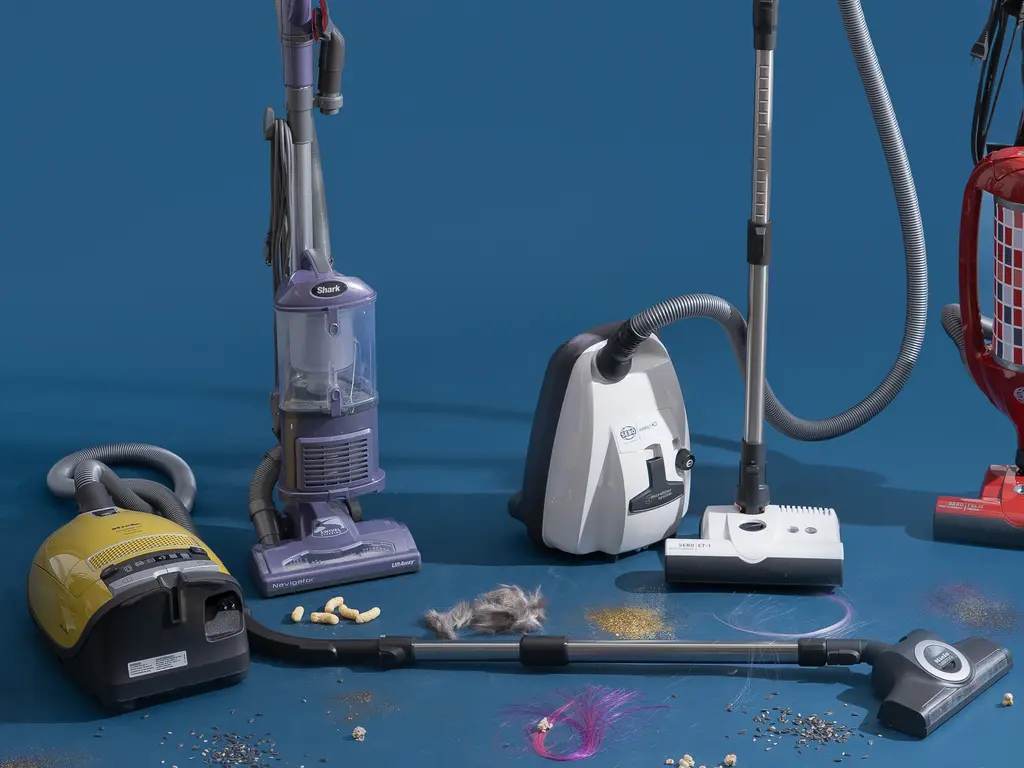
Why Bother with Vacuum Maintenance? It’s More Than Just Cleaning
Let’s be real, adding another chore to your list sounds like a drag. But spending just 10-15 minutes a month on your vacuum is one of the smartest investments you can make for your home. It’s not just about keeping the machine running; it’s about performance, health, and your wallet.
Proper maintenance directly impacts suction power. A clogged filter or a tangled brush roll forces the motor to work harder for weaker results. It’s like trying to breathe through a straw while running a marathon. By keeping its airways clear, you ensure it picks up everything from pesky pet hair to invisible dust mites on the first pass.
Furthermore, a well-maintained vacuum is a guardian of your home’s air quality. The HEPA filter, a hero for allergy sufferers, can only do its job if it’s clean. A dirty filter can end up spewing fine dust particles right back into the air you breathe. And, of course, regular care prevents the premature death of your machine, saving you hundreds of dollars in the long run.
Your Essential Maintenance Checklist: The Nitty-Gritty Guide
Ready to roll up your sleeves? Don’t worry, none of this requires an engineering degree. Here is a breakdown of the simple, yet crucial, steps for how to maintain vacuum cleaner long term.
1. Empty the Canister or Replace the Bag Religiously
This is the most basic step, but it’s amazing how many of us wait until the canister is overflowing or the bag is about to burst.
- For Bagless Vacuums: Aim to empty the canister after every single use. Dust and debris get compacted, which chokes off airflow and reduces suction. Don’t just dump it; take a moment to wipe the inside with a dry cloth to remove clinging dust.
- For Bagged Vacuums: Replace the bag when it’s about two-thirds full. A common mistake is waiting until it’s packed solid. An over-full bag drastically reduces suction and can put a huge strain on the motor.
Pro-Tip: Always use the manufacturer-recommended bags. Off-brand bags might seem cheaper, but they can have poor filtration, allowing dust to get into the motor compartment and cause serious damage.
2. The Filters are Your Vacuum’s Lungs: Keep Them Breathing
This is arguably the most important maintenance task for preserving suction power and motor life. Your vacuum likely has multiple filters—a pre-motor filter (often foam or felt) and a post-motor or exhaust filter (often a HEPA filter).
- Locate Your Filters: Consult your user manual to find them. They’re usually in easily accessible compartments.
- Clean or Replace:
- Washable Filters: Many foam or plastic filters can be rinsed under cool water. Crucially, let them air dry completely for at least 24 hours before putting them back in. A damp filter is a recipe for mildew and can ruin your vacuum’s motor.
- HEPA and Paper Filters: Most of these are not washable. Tap them gently against the side of your trash can to dislodge as much dust as possible. These filters need to be replaced periodically, typically every 6 to 12 months, depending on your usage. You can find replacement filters easily online.
How often should you clean vacuum filters?
As a general rule, you should clean or wash your primary filters at least once a month. For households with pets or allergy sufferers, checking them every couple of weeks is a better practice to maintain optimal performance and air quality.
3. Tackle the Brush Roll: The Hair and String Nemesis
If you have long hair or pets, the brush roll (or ‘beater bar’) is your arch-enemy’s favorite hangout. I once had to perform what felt like major surgery on my vacuum after my golden retriever’s shedding season. A tangled brush can stop spinning altogether, making it useless on carpets and potentially melting or snapping the drive belt.
- Unplug the Vacuum! Safety first, always.
- Access the Brush: You may need to unscrew a bottom plate. Keep the screws somewhere safe.
- Cut and Pull: Use a pair of scissors or a seam ripper to carefully snip through the tangled hair, string, and carpet fibers. Be careful not to cut the bristles themselves.
- Check the Ends: Hair loves to wrap around the very ends of the brush roll where it spins. Use tweezers to pull out any gunk hiding in these nooks and crannies.
- Wipe It Down: While it’s out, give the brush and its housing a good wipe-down.
4. Inspect the Hose for Hidden Clogs
Has your vacuum’s suction suddenly plummeted? Before you panic, check for a clog. It’s the most common culprit. A sock, a toy, or a clump of pet hair can easily get lodged in the hose.
- Detach the hose from the vacuum body and the wand.
- Visually inspect it by holding it up to a light.
- If you can’t see through, use a broom handle (gently!) to push the obstruction out. Avoid using anything sharp that could puncture the hose.
“The number one killer of vacuum motors, aside from water, is heat. A simple clog in the hose can cause the motor to overheat and burn out prematurely. A 30-second hose check can literally add years to your vacuum’s life.”
— David Chen, Appliance Repair Technician
|
Our Picks for the Best Vacuum Cleaner in 2026
As an Amazon Associate, we earn from qualifying purchases.
|
||
| Num | Product | Action |
|---|---|---|
| 1 | LEVOIT Cordless Vacuum Cleaner, Stick Vac with Tangle-Resistant Design, Up to 50 Minutes, Powerful Suction, Rechargeable, Lightweight, and Versatile for Carpet, Hard Floor, Pet Hair, LVAC-200 |

|
| 2 | Amazon Basics Upright Bagless Vacuum Cleaner for Carpet and Hard Floors, With Crevice and Upholstery Tools, Detachable Handle, Lightweight (8.4 lbs), 1.7L Dust Cup, 720W, 25ft Cord, Black/White |
|
| 3 | Shark NV352 Navigator Lift Away Upright Vacuum, Hepa Filter, Anti-Allergen Technology, Swivel Steering, Ideal for Carpet, Stairs, & Bare Floors, with Wide Upholstery & Crevice Tools, Lavender |
|
| 4 | BLACK+DECKER dustbuster QuickClean Cordless Handheld Vacuum, Car Vacuum Portable (HNVC215B10) |
|
| 5 | BISSELL CleanView Compact Turbo Upright Vacuum with Quick Release Wand, Full Size Power, Compact Size for Apartments & Dorms, 3437F |
|
| 6 | BISSELL CleanView Compact Upright Vacuum, Fits in Dorm Rooms & Apartments, Lightweight with Powerful Suction and Removable Extension Wand, 3508 |
|
| 7 | Shark HV322 Rocket Deluxe Pro Corded Stick Vacuum with LED Headlights, XL Dust Cup, Lightweight, Perfect for Pet Hair Pickup, Converts to a Hand Vacuum, with Pet Attachments, Bordeaux/Silver |
|
| 8 | BLACK+DECKER dustbuster AdvancedClean Cordless Handheld Vacuum, Compact Home and Car Vacuum with Crevice Tool (CHV1410L) |
|
| 9 | Shark | Upright Vacuum Cleaner | Navigator Lift-Away | Swivel Steering | HEPA Filter | Vacuum for Pet Hair | Crevice Tool & Dusting Brush Included | For Carpets & Hard Floors | White/Silver | NV356E |
|
| 10 | Shark | Pet Cordless Vacuum Cleaner | LED Headlights | Removable Handheld Vacuum for Pet Hair | Crevice Tool & Pet Multi-Tool Included | 40min Runtime | For Carpet & Hard Floors | Grey | IX141 |
|
A Simple Schedule for Long-Term Vacuum Health
To make how to maintain vacuum cleaner long term feel less like a chore, break it down into a simple schedule.
| Frequency | Task |
|---|---|
| After Every Use | Empty the bagless canister. |
| Monthly | Wash or clean the primary filters. Check and clean the brush roll. |
| Every 3-6 Months | Check the hose for clogs. Wipe down the entire vacuum body. |
| Annually | Replace the HEPA or secondary filters. Check the drive belt for wear. |
Frequently Asked Questions (FAQ)
What’s that burning smell coming from my vacuum?
A burning smell is a red flag. Unplug it immediately. It’s often caused by a tangled brush roll that’s melting the drive belt, or the motor is overheating due to a severe clog or a full bag. Clean the brush and check for clogs before trying again. If the smell persists, it needs professional service.
Why has my vacuum suddenly lost all suction power?
Nine times out of ten, it’s a simple clog. The most likely places are the hose, the entry point to the canister, or where the cleaning head connects to the wand. The second most common reason is a completely blocked filter.
Can I wash a HEPA filter?
It depends. Check the filter itself—it will usually say “Washable” or “Rinseable” if you can. If it doesn’t say, assume you cannot. Washing a non-washable HEPA filter will destroy the delicate fiber mesh that traps allergens, rendering it useless.
How do I know if the vacuum belt needs replacing?
If your vacuum is very loud or the brush roll has stopped spinning, the belt is the likely culprit. Unplug the machine, remove the bottom plate, and inspect the belt. If it’s stretched out, cracked, or broken, it’s time for a replacement. They are inexpensive and easy to install.
Is it worth it to repair an old vacuum cleaner?
If it’s a simple fix like a new belt or a replacement hose, absolutely. These repairs are cheap and extend the machine’s life. If the motor is dead, it’s worth considering the cost of repair versus the price and features of a new model, especially a modern, efficient cordless one.
Your Vacuum’s New Lease on Life
By now, you see that the secret to how to maintain vacuum cleaner long term isn’t complicated. It’s about forming small, consistent habits. A little bit of care transforms your vacuum from a disposable appliance into a long-term investment in a cleaner, healthier home. You’ll enjoy stronger suction, fresher air, and the satisfaction of knowing you’re getting the absolute most out of your machine. So, go on, give your vacuum the attention it deserves—it will thank you with years of loyal service.