Ever stopped to think about the air inside your home? It’s a bit of a shocker, but according to the EPA, indoor air can often be two to five times more polluted than the air outside. We bring in pollen on our shoes, our furry friends shed dander, and tiny dust particles settle on everything. The good news? Your trusty vacuum cleaner is one of the most powerful tools in your arsenal for creating a healthier, cleaner, and surprisingly, a more sustainable home. By adopting a few smart eco friendly cleaning tips with a vacuum, you can reduce waste, save energy, and breathe easier, all at the same time. This isn’t just about sucking up crumbs; it’s about a whole new approach to green cleaning.
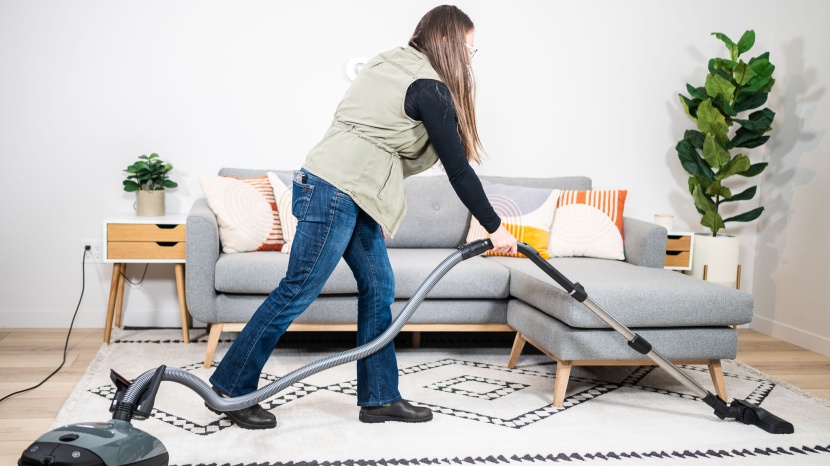
Why Your Vacuum is a Secret Eco-Warrior
Let’s reframe how we see our vacuums. Instead of just a loud machine we drag out once a week, think of it as your first line of defense against indoor pollutants. A high-quality vacuum, especially one with a great filtration system, does more than just clean your floors.
It actively removes allergens like dust mites, pet dander, and pollen from your living space. When you effectively trap these particles, you’re not just getting a cleaner carpet; you’re improving your home’s air quality. This can reduce the need for energy-hungry air purifiers and lessen reliance on chemical-laden sprays and wipes designed to “freshen” the air. A powerful clean powered by smart engineering is always greener than a superficial clean powered by harsh chemicals.
Mastering Eco Friendly Cleaning Tips with Your Vacuum
Ready to turn your cleaning routine into a green machine? It’s easier than you think. It’s all about working smarter, not harder, and making conscious choices that benefit both your home and the planet.
Maximize Efficiency, Minimize Energy
A clogged, dirty vacuum is an energy vampire. Think of it like trying to breathe with a stuffy nose – it has to work so much harder for poor results. A well-maintained machine not only cleans better but also uses less electricity to do its job.
- Empty the Bin or Bag Regularly: Don’t wait until it’s overflowing. A vacuum’s suction power is most effective when the bag or canister is less than two-thirds full. For a bagless model, empty it after every major cleaning session.
- Keep Those Filters Clean: This is the big one. Clogged filters restrict airflow, forcing the motor to work overtime and potentially overheat. Check your user manual, but most reusable filters can be rinsed with cool water and left to air dry completely (at least 24 hours!) before being put back in.
- Check the Brush Roll: Hair, string, and other debris can get tightly wound around the brush, preventing it from spinning effectively. This means it’s not agitating the carpet fibers properly, leaving deep-down dirt behind and making the motor strain. Give it a quick check and a snip with scissors once a month.
Choose Reusable Over Disposable
The “throwaway” culture extends to cleaning, but it doesn’t have to. Your vacuum offers several opportunities to reduce waste.
- Washable Filters: Many modern vacuums, from uprights to cordless stick vacs, come with washable filters. Instead of buying a new one every few months, you can simply rinse, dry, and reuse. This saves money and keeps bulky filters out of landfills.
- The Bagless Advantage: While high-quality bagged vacuums have their place (especially for allergy sufferers who want to contain dust), bagless models are inherently less wasteful. You simply empty the canister into the trash, with no need to constantly buy and discard bags.
- Durable Attachments: Use the right tool for the job. A crevice tool for edges and an upholstery brush for furniture aren’t just for show—they make the cleaning process far more efficient, meaning your vacuum runs for less time.
Make Your Own Natural Carpet Freshener
Forget those store-bought powders filled with synthetic fragrances. You can make an effective and lovely-smelling carpet deodorizer with ingredients you already have.
- Grab a jar and mix one cup of baking soda with 10-15 drops of your favorite essential oil (lavender, lemon, or peppermint work beautifully).
- Shake it up well and let it sit for an hour to infuse.
- Sprinkle a light layer over your carpets and rugs.
- Let it sit for 15-20 minutes to absorb odors.
- Vacuum it up thoroughly! Your room will smell amazing, and you’ve avoided any harsh chemicals.
How a HEPA Filter Boosts Your Green Credentials
If you or someone in your family suffers from allergies, a HEPA filter is non-negotiable. But it’s also a fantastic eco-friendly feature for any home.
A HEPA (High-Efficiency Particulate Air) filter is a medical-grade filter capable of trapping 99.97% of particles as small as 0.3 microns. That includes dust mites, mold spores, pet hair dander, and pollen.
“When a vacuum with a sealed system and a true HEPA filter is used, you’re not just cleaning your floors; you’re actively scrubbing the air. This reduces the particle load in your home, which can decrease the need to run a standalone air purifier 24/7, resulting in significant energy savings over time.”
– Dr. Alistair Finch, Environmental Engineer
By trapping these microscopic irritants, the vacuum prevents them from being exhausted back into your room. This leads to cleaner, healthier air and a home that feels cleaner on a microscopic level.
|
Our Picks for the Best Vacuum Cleaner in 2026
As an Amazon Associate, we earn from qualifying purchases.
|
||
| Num | Product | Action |
|---|---|---|
| 1 | Shark | Upright Vacuum Cleaner | Navigator Lift-Away | Swivel Steering | HEPA Filter | Vacuum for Pet Hair | Crevice Tool & Dusting Brush Included | For Carpets & Hard Floors | White/Silver | NV356E |

|
| 2 | Shark NV352 Navigator Lift Away Upright Vacuum, Hepa Filter, Anti-Allergen Technology, Swivel Steering, Ideal for Carpet, Stairs, & Bare Floors, with Wide Upholstery & Crevice Tools, Lavender |
|
| 3 | BLACK+DECKER dustbuster AdvancedClean Cordless Handheld Vacuum, Compact Home and Car Vacuum with Crevice Tool (CHV1410L) |
|
| 4 | Shark | Pet Cordless Vacuum Cleaner | LED Headlights | Removable Handheld Vacuum for Pet Hair | Crevice Tool & Pet Multi-Tool Included | 40min Runtime | For Carpet & Hard Floors | Grey | IX141 |
|
| 5 | Amazon Basics Upright Bagless Vacuum Cleaner for Carpet and Hard Floors, With Crevice and Upholstery Tools, Detachable Handle, Lightweight (8.4 lbs), 1.7L Dust Cup, 720W, 25ft Cord, Black/White |
|
| 6 | BISSELL CleanView Compact Turbo Upright Vacuum with Quick Release Wand, Full Size Power, Compact Size for Apartments & Dorms, 3437F |
|
| 7 | Shark HV322 Rocket Deluxe Pro Corded Stick Vacuum with LED Headlights, XL Dust Cup, Lightweight, Perfect for Pet Hair Pickup, Converts to a Hand Vacuum, with Pet Attachments, Bordeaux/Silver |
|
| 8 | BISSELL CleanView Compact Upright Vacuum, Fits in Dorm Rooms & Apartments, Lightweight with Powerful Suction and Removable Extension Wand, 3508 |
|
| 9 | BLACK+DECKER dustbuster QuickClean Cordless Handheld Vacuum, Car Vacuum Portable (HNVC215B10) |
|
| 10 | LEVOIT Cordless Vacuum Cleaner, Stick Vac with Tangle-Resistant Design, Up to 50 Minutes, Powerful Suction, Rechargeable, Lightweight, and Versatile for Carpet, Hard Floor, Pet Hair, LVAC-200 |
|
What to Look For in an Eco-Conscious Vacuum
When it’s time for an upgrade, you can make a choice that aligns with your sustainable values. Here’s a quick checklist for your next purchase.
- Durability and Repairability: Look for brands known for their longevity and the availability of spare parts. A vacuum that lasts for ten years is infinitely greener than one you have to replace every two. Read reviews that mention build quality and motor life.
- Energy Efficiency: Don’t be fooled by high wattage. A well-designed motor and efficient airflow can provide incredible suction power with less energy consumption. Look for models praised for their smart engineering rather than just raw power numbers.
- Materials: Some forward-thinking brands are now using recycled plastics in the construction of their vacuums and opting for minimalist, recyclable packaging. It’s a small detail that points to a company’s larger commitment to sustainability.
- The Right Type for You: A giant upright vacuum might be overkill (and an energy hog) for a small apartment. A powerful cordless stick vacuum might be all you need. Matching the machine to your space is an inherently eco-friendly choice. If you’re considering your options, check out our comparison of canister vs. upright vacuums.
Frequently Asked Questions
Are bagless vacuums always more eco-friendly?
Generally, yes, because they eliminate the waste from disposable bags. However, for severe allergy sufferers, a high-filtration, self-sealing bagged vacuum might be a better health choice. The greenest option is a durable, efficient vacuum that meets your specific needs.
How does a good vacuum reduce the need for chemical cleaners?
By physically removing dirt, dust, and allergens, a powerful vacuum with good filtration leaves surfaces truly clean. This reduces the perceived need for chemical sprays to “freshen” the air or harsh cleaners for deep-seated grime on hard floors, which can now be easily vacuumed up.
Can I really vacuum up baking soda from my carpet?
Absolutely! Baking soda is a safe and effective natural deodorizer. Just make sure your vacuum’s filter is clean and the bin is empty before you start, as fine powders can clog the system more quickly. Run the vacuum over the area a few times to ensure it’s all picked up.
What is the most energy-efficient type of vacuum cleaner?
Robotic vacuums tend to be the most energy-efficient due to their small motors and batteries, followed by cordless stick vacuums. However, their cleaning power might not be sufficient for large, heavily carpeted homes. The key is to find the most efficient model within the category you need.
How can I dispose of my old vacuum responsibly?
Don’t just toss it in the trash. Vacuums contain metals and plastics that can be recycled. Check with your local waste management facility for e-waste (electronic waste) drop-off days or locations. Some retailers also offer take-back programs when you purchase a new appliance.
Your Clean, Green Conclusion
Embracing a more sustainable lifestyle doesn’t require a massive overhaul. It starts with small, intentional changes, and your cleaning routine is the perfect place to begin. By viewing your vacuum as a partner in creating a healthy home, you can make a real difference.
Regular maintenance, choosing reusable options, and using natural alternatives are simple steps that cut down on waste and energy use. When you combine these practices, you’re not just cleaning your home—you’re contributing to a healthier planet. So, next time you plug in your machine, remember these eco friendly cleaning tips with a vacuum and take pride in knowing your clean floors are part of a bigger, greener picture.