Let’s be real for a moment. Your car is more than just a way to get from A to B; it’s your mobile office, your family shuttle, and sometimes, your dining room on wheels. And it shows. Crumbs find their way into impossible crevices, pet hair weaves itself into the upholstery, and that fine layer of dust seems to appear out of nowhere. Knowing how to vacuum car interior with a vacuum cleaner effectively is the difference between a car that looks clean and one that feels brand new. Forget those quick, unsatisfying swipes at the gas station vacuum. We’re here to turn you into a car detailing enthusiast, armed with the right knowledge and tools to get a professional-level clean, every single time.
Before You Even Plug In: The Prep Work is Key
You wouldn’t paint a wall without prepping it first, right? The same logic applies to your car. A little bit of prep work goes a long way and makes the actual vacuuming process ten times more efficient and effective.
- Step 1: The Great Declutter. Remove everything that isn’t bolted down. This means floor mats, empty coffee cups, old receipts, kids’ toys, gym bags, and that mysterious pen cap. Create a blank canvas.
- Step 2: Shake It Out. Take the floor mats out of the car and give them a good, hard shake or whack them against a wall. This dislodges a surprising amount of trapped dirt, sand, and debris, making them much easier to vacuum later.
- Step 3: Loosen Up Stubborn Dirt. For carpets and fabric seats, use a stiff-bristled brush to agitate the fibers. This action loosens embedded dirt, sand, and especially persistent pet hair, bringing it to the surface where your vacuum’s suction power can easily grab it.
Choosing Your Weapon: The Right Vacuum for the Job
Not all vacuums are created equal when it comes to the tight confines and varied surfaces of a car. While you can use your household vacuum, certain types and attachments make the job infinitely easier.
What Type of Vacuum is Best for a Car?
Your choice generally comes down to power, portability, and convenience.
- Cordless Handheld Vacuums: The champion of convenience. These are lightweight, portable, and perfect for quick clean-ups and getting into tight spots. Modern models from top brands offer impressive suction power, but be mindful of battery life. Our guide to the best cordless vacuums of the year can help you choose.
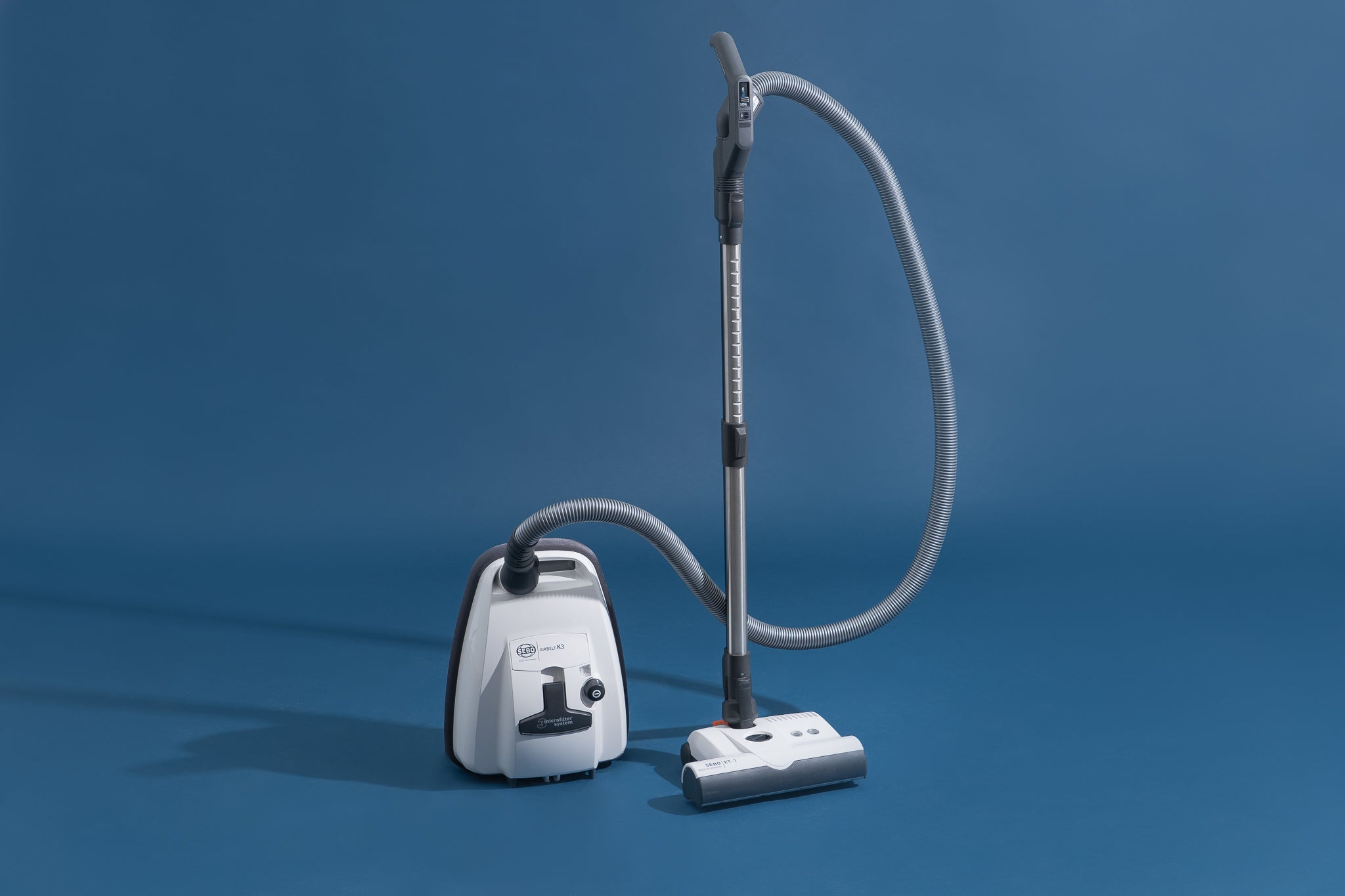
- Corded Canister or Upright Vacuums: If you have an extension cord and access to an outlet, your home vacuum can be a powerhouse. They offer sustained, high suction and often come with a hose and attachments perfect for car detailing.
- Shop Vacs (Wet/Dry Vacs): The heavy-duty option. These beasts have incredible suction power and can handle both wet and dry messes. They are bulky, but for a deep, thorough clean, they are hard to beat.
Essential Attachments You Can’t Live Without
The vacuum itself is only half the equation. The attachments are what allow you to perform surgical-level cleaning.
- Crevice Tool: This long, skinny attachment is your best friend for cleaning between seats, in the seat tracks, around the center console, and in door pockets.
- Upholstery Tool (with or without a brush): This wider tool is perfect for cleaning fabric seats and carpets. The version with a brush strip helps agitate and lift dirt and pet hair.
- Dusting Brush: A soft-bristled, round brush that’s ideal for delicate surfaces like the dashboard, air vents, and electronics screens without scratching them.
The Pro Method: How to Vacuum Car Interior Step-by-Step
Ready to get started? Follow this professional detailer’s method for a systematic, top-to-bottom clean that ensures you don’t miss a spot.
- Start High, Finish Low: Always work from top to bottom. This ensures that any dust and debris you dislodge from the dashboard or door panels falls to the floor, which you’ll clean last. Use your soft dusting brush attachment for the dashboard, center console, and door panels.
- Tackle the Seats: Switch to your upholstery tool. Start with the driver and passenger seats. Push the seat all the way back to vacuum the area in front, then pull it all the way forward to get the area behind. Don’t forget to vacuum the seams and creases where crumbs love to hide. Use the crevice tool to get deep down between the seat cushions and the backrest.
- Conquer the Carpet: This is where the bulk of the dirt lives. Again, work from front to back. Use the upholstery tool for the main floor areas. Slide the front seats forward and back to access every inch of carpet underneath. This is where that pre-brushing really pays off.
- Master the Nooks and Crannies: Now it’s time for the crevice tool to shine. Patiently go over all the tight spaces:
- Along the seat tracks.
- Around the pedals.
- The gap between the front seats and the center console (a notorious crumb graveyard).
- Inside door storage pockets.
- Under the lip of the dashboard.
- Don’t Forget the Trunk: Open up the trunk or cargo area and give it the same thorough treatment. Lift any liners or covers to vacuum underneath.
- The Grand Finale: Floor Mats: Now that the interior is clean, finish the job by thoroughly vacuuming the floor mats you set aside earlier. Once they are perfectly clean, place them back in the car.
|
Our Picks for the Best Vacuum Cleaner in 2026
As an Amazon Associate, we earn from qualifying purchases.
|
||
| Num | Product | Action |
|---|---|---|
| 1 | BISSELL CleanView Compact Upright Vacuum, Fits in Dorm Rooms & Apartments, Lightweight with Powerful Suction and Removable Extension Wand, 3508 |

|
| 2 | Shark | Pet Cordless Vacuum Cleaner | LED Headlights | Removable Handheld Vacuum for Pet Hair | Crevice Tool & Pet Multi-Tool Included | 40min Runtime | For Carpet & Hard Floors | Grey | IX141 |
|
| 3 | Shark | Upright Vacuum Cleaner | Navigator Lift-Away | Swivel Steering | HEPA Filter | Vacuum for Pet Hair | Crevice Tool & Dusting Brush Included | For Carpets & Hard Floors | White/Silver | NV356E |
|
| 4 | Amazon Basics Upright Bagless Vacuum Cleaner for Carpet and Hard Floors, With Crevice and Upholstery Tools, Detachable Handle, Lightweight (8.4 lbs), 1.7L Dust Cup, 720W, 25ft Cord, Black/White |
|
| 5 | BISSELL CleanView Compact Turbo Upright Vacuum with Quick Release Wand, Full Size Power, Compact Size for Apartments & Dorms, 3437F |
|
| 6 | BLACK+DECKER dustbuster AdvancedClean Cordless Handheld Vacuum, Compact Home and Car Vacuum with Crevice Tool (CHV1410L) |
|
| 7 | Shark NV352 Navigator Lift Away Upright Vacuum, Hepa Filter, Anti-Allergen Technology, Swivel Steering, Ideal for Carpet, Stairs, & Bare Floors, with Wide Upholstery & Crevice Tools, Lavender |
|
| 8 | LEVOIT Cordless Vacuum Cleaner, Stick Vac with Tangle-Resistant Design, Up to 50 Minutes, Powerful Suction, Rechargeable, Lightweight, and Versatile for Carpet, Hard Floor, Pet Hair, LVAC-200 |
|
| 9 | Shark HV322 Rocket Deluxe Pro Corded Stick Vacuum with LED Headlights, XL Dust Cup, Lightweight, Perfect for Pet Hair Pickup, Converts to a Hand Vacuum, with Pet Attachments, Bordeaux/Silver |
|
| 10 | BLACK+DECKER dustbuster QuickClean Cordless Handheld Vacuum, Car Vacuum Portable (HNVC215B10) |
|
“People often fixate on raw suction power, but when it comes to cars, it’s all about technique and having the right attachment for the right job. A crevice tool that can get deep between the seats is more valuable than all the airwatts in the world if you can’t direct that power where it’s needed.”
— John Carter, Automotive Detailing Expert
Tackling Tough Messes: Pro Tips & Tricks
Sometimes, basic vacuuming isn’t enough. Here’s how to handle some common car cleaning challenges.
How Do You Get Stubborn Pet Hair Out of Car Upholstery?
For stubborn pet hair, vacuuming alone might not cut it. Before you vacuum, try one of these tricks to lift the hair:
- Put on a pair of rubber dishwashing gloves, slightly dampen them, and wipe your hands over the fabric. The hair will ball up and be easy to pick up.
- Use a pumice stone designed for detailing (often called a “pet hair stone”) and gently scrape it across the fabric.
After using one of these methods, go over the area with your vacuum’s upholstery tool to pick up any remaining strands. A vacuum with a motorized brush attachment, often found in a pet hair specific model, is also incredibly effective.
What About Sand in the Carpet?
Sand is notoriously difficult to remove. The key is agitation. Use a stiff brush to vigorously scrub the carpet, which will bring the sand granules up from the base of the fibers. Immediately follow up with your vacuum, using a narrow tool to concentrate the suction. You may need to repeat this process a few times.
Frequently Asked Questions
Can I use my regular home vacuum cleaner in my car?
Yes, absolutely. Most home vacuums, especially canister models, come with a hose and attachments like a crevice tool and upholstery brush that are perfect for car interiors. The biggest challenge is usually maneuverability and needing a long extension cord.
How often should I vacuum my car interior?
For a quick clean, once every two weeks is a good habit. For a deep, thorough clean like the one described in this guide, aim for once every 2-3 months, or more often if you have kids, pets, or live in a dusty or sandy environment.
What’s the best vacuum attachment for cleaning car air vents?
The soft, round dusting brush is the best tool for this job. Its soft bristles can get into the slats of the air vents to remove dust without scratching the plastic. For a deeper clean, you can use a can of compressed air to blow out dust before vacuuming it up.
Is a cordless vacuum really powerful enough to clean a car?
Modern high-end cordless vacuums have made huge leaps in technology. Many now offer suction power that rivals older corded models and are more than capable of deep cleaning a car. The key is to look for a model with good battery life (at least 20-30 minutes of runtime) and the necessary attachments.
How do I clean my vacuum’s filters after cleaning my car?
After a heavy-duty car cleaning session, your vacuum’s filter will likely be full of fine dust and dander. For bagless models, tap the filter against the inside of a trash can to dislodge debris. Many filters, especially HEPA filter types, are washable. Check your user manual; you can typically rinse them under cool water and let them air dry completely (for at least 24 hours) before reinserting.
A Clean Car is a Happy Car
Taking the time to properly clean your car’s interior does more than just make it look good—it creates a more pleasant and healthier driving environment for you and your passengers. It protects the value of your vehicle and, let’s face it, there’s a unique satisfaction that comes from sitting in a spotlessly clean car. By following these steps and using the right tools, you’ll find that mastering how to vacuum car interior with a vacuum cleaner is a rewarding skill that pays dividends every time you get behind the wheel.