Let’s be honest, vacuuming can feel like a chore that never truly ends. You finish a room, and five minutes later, a stray dust bunny drifts by like it’s mocking you. But what if you could make your daily cleaning routine more effective, efficient, and even extend the life of your trusty machine? These essential vacuum cleaner tips for daily use are designed to transform your vacuum from a simple cleaning tool into a high-performance dirt-destroying machine. Forget just pushing it back and forth; we’re about to dive into the secrets of a truly deep clean.
Did you know that household dust is a complex mix of things, including dead skin cells, fabric fibers, pollen, and even microscopic dust mites? Yikes. A powerful vacuum is your first line of defense, but how you use it makes all the difference. For those looking for a lightweight option for quick daily touch-ups, the convenience of modern designs is a game-changer. To understand more about how portability impacts cleaning habits, our guide on the cordless vacuum cleaner for travel lifestyle offers some great insights. Now, let’s get your current vacuum working smarter, not harder.
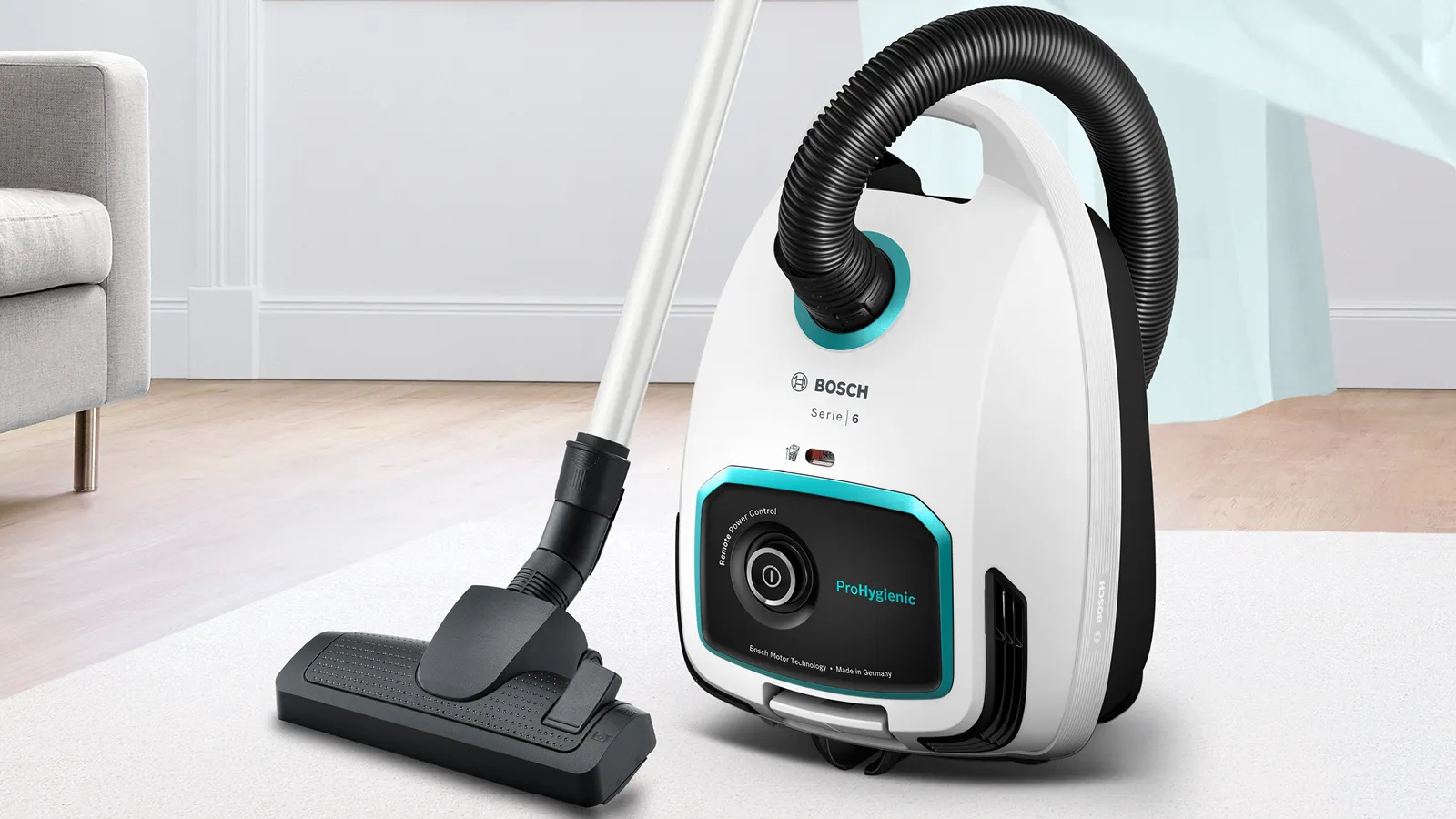 For explore our vacuum cleaner reviews on this site.
The Pre-Clean Ritual: Setting the Stage for Success
Before you even plug in your vacuum, a few simple steps can dramatically improve your results. Think of this as the warm-up before the main event.
- Declutter the Floor: This might seem obvious, but we’ve all been there—sucking up a stray charging cable or a child’s small toy. Take 60 seconds to pick up any small objects, shoes, or papers. This not only prevents annoying clogs but also protects your vacuum’s motor and beater bar from damage.
- Check Your Machine: Give your vacuum a quick once-over. Is the bin or bag nearly full? A full container can slash your suction power by over 40%. Is the brush roll tangled with hair or string? Use a pair of scissors or a seam ripper to carefully cut it free. A clean brush agitates carpet fibers more effectively, pulling up deep-seated dirt.
- Dust from Top to Bottom: Always dust surfaces before you vacuum. Gravity is your friend here. Dust shelves, ceiling fans, and furniture first, letting the particles settle on the floor. Then, your vacuum can capture everything in one final sweep, leaving your room and the air in it much cleaner.
Mastering Your Technique: It’s More Than Just Back and Forth
Now for the main act. The way you move your vacuum across the floor is critical for a deep clean. Rushing through the job is one of the biggest mistakes people make.
Slow Your Roll, Especially on Carpets
|
Our Picks for the Best Vacuum Cleaner in 2026
As an Amazon Associate, we earn from qualifying purchases.
|
||
| Num | Product | Action |
|---|---|---|
| 1 | BISSELL CleanView Compact Upright Vacuum, Fits in Dorm Rooms & Apartments, Lightweight with Powerful Suction and Removable Extension Wand, 3508 |

|
| 2 | BLACK+DECKER dustbuster AdvancedClean Cordless Handheld Vacuum, Compact Home and Car Vacuum with Crevice Tool (CHV1410L) |
|
| 3 | Shark HV322 Rocket Deluxe Pro Corded Stick Vacuum with LED Headlights, XL Dust Cup, Lightweight, Perfect for Pet Hair Pickup, Converts to a Hand Vacuum, with Pet Attachments, Bordeaux/Silver |
|
| 4 | Shark | Pet Cordless Vacuum Cleaner | LED Headlights | Removable Handheld Vacuum for Pet Hair | Crevice Tool & Pet Multi-Tool Included | 40min Runtime | For Carpet & Hard Floors | Grey | IX141 |
|
| 5 | LEVOIT Cordless Vacuum Cleaner, Stick Vac with Tangle-Resistant Design, Up to 50 Minutes, Powerful Suction, Rechargeable, Lightweight, and Versatile for Carpet, Hard Floor, Pet Hair, LVAC-200 |
|
| 6 | BISSELL CleanView Compact Turbo Upright Vacuum with Quick Release Wand, Full Size Power, Compact Size for Apartments & Dorms, 3437F |
|
| 7 | Shark | Upright Vacuum Cleaner | Navigator Lift-Away | Swivel Steering | HEPA Filter | Vacuum for Pet Hair | Crevice Tool & Dusting Brush Included | For Carpets & Hard Floors | White/Silver | NV356E |
|
| 8 | BLACK+DECKER dustbuster QuickClean Cordless Handheld Vacuum, Car Vacuum Portable (HNVC215B10) |
|
| 9 | Shark NV352 Navigator Lift Away Upright Vacuum, Hepa Filter, Anti-Allergen Technology, Swivel Steering, Ideal for Carpet, Stairs, & Bare Floors, with Wide Upholstery & Crevice Tools, Lavender |
|
| 10 | Amazon Basics Upright Bagless Vacuum Cleaner for Carpet and Hard Floors, With Crevice and Upholstery Tools, Detachable Handle, Lightweight (8.4 lbs), 1.7L Dust Cup, 720W, 25ft Cord, Black/White |
|
When vacuuming carpets and rugs, slow, deliberate passes are key. This gives the brush roll time to agitate the fibers and the suction time to pull up the dirt, dust, and stubborn pet hair that’s hiding deep within. A good rule of thumb is to count to two on the forward pass and two on the backward pass.
Overlap Your Strokes
To avoid those frustrating lines of missed dirt, overlap each pass by about 30-50%. Imagine you’re mowing a lawn. This ensures complete coverage and a uniform clean across the entire surface. It might take a little longer, but the results are worth it.
Change Directions
For high-traffic areas with plush carpets, make your first pass in one direction (e.g., north to south) and then go over the same area again in the perpendicular direction (east to west). This helps lift the carpet pile from all angles, dislodging trapped dirt that a single pass might miss.
Post-Clean Maintenance: Essential Vacuum Cleaner Tips for Daily Use
Your job isn’t quite done when the floor is clean. A little after-care ensures your vacuum is ready for its next mission and helps it last for years.
Empty the Bin or Bag Every Time
We mentioned this earlier, but it bears repeating. Get into the habit of emptying your canister or changing the bag after every single use. A clean, empty container ensures you have maximum suction power the next time you clean. For bagless models, this also prevents odors from developing inside the bin.
Show Your Filters Some Love
Filters are the lungs of your vacuum cleaner. They trap fine dust and allergens, preventing them from being blown back into your air. A clogged filter suffocates your motor and kills suction.
- Locate Your Filters: Check your user manual to find them. Most vacuums have at least two: a pre-motor filter and a post-motor filter (often a HEPA filter).
- Clean or Replace: Many foam or plastic filters are washable. Rinse them under cool water until the water runs clear. Make sure they are 100% completely dry before putting them back in—we’re talking 24-48 hours. A damp filter can lead to mold and damage the motor.
- Follow a Schedule: Check your filters monthly and clean or replace them according to the manufacturer’s recommendations. This is one of the most vital vacuum cleaner tips for daily use for maintaining air quality.
“A well-maintained vacuum with a clean HEPA filter doesn’t just clean your floors; it purifies your air. It can capture over 99.97% of airborne particles like dust mites, pollen, and pet dander, which is a significant benefit for anyone with allergies or asthma.” – Dr. Alistair Finch, Environmental Health Specialist.
While your home machine doesn’t need the industrial-grade power of a commercial vacuum cleaner for office, the principle of matching power and filtration to the task remains the same for achieving a healthy indoor environment.
Using the Right Tools for the Job: Unleash the Attachments
Those extra nozzles and brushes that came with your vacuum aren’t just for decoration. Using them correctly is a pro-level move.
- Crevice Tool: Its slim, angled tip is perfect for corners, along baseboards, in-between sofa cushions, and in the tracks of sliding doors.
- Dusting Brush: This tool has long, soft bristles to gently clean delicate surfaces like lampshades, blinds, bookshelves, and electronic screens without scratching them.
- Upholstery Tool: A small, wide head with a fabric strip to help lift lint and dirt from sofas, chairs, mattresses, and curtains. It’s a must-have for homes with pets.
- Turbo/Power Brush: A smaller, air-powered or motorized brush roll designed for deep cleaning stairs, upholstery, and car interiors. It’s a beast against embedded pet hair.
Making these maintenance steps and attachment swaps a simple part of your routine is key, especially when considering features that enhance usability. This concept is central to our look at the vacuum cleaner for elderly convenience, where ease of use is paramount.
Common Questions About Daily Vacuum Use
Let’s tackle some common queries to help you become a true vacuuming virtuoso.
How Often Should You Really Vacuum?
For general maintenance in a home without pets or allergies, vacuuming high-traffic areas twice a week and the entire house once a week is a good baseline. However, if you have pets, kids, or allergy sufferers, daily vacuuming of key areas like the living room and kitchen is highly recommended.
Why is My Vacuum Losing Suction Power?
The most common culprit is a full bag or bin, followed closely by a clogged filter. If you’ve checked both, look for a clog in the hose. You can often dislodge it with a broom handle. Also, ensure the height adjustment is set correctly for your floor type.
Can I Use My Vacuum on Hardwood Floors?
Absolutely, but with a crucial caveat: turn off the beater bar/brush roll. A spinning brush can scatter debris on hard surfaces and may even scratch delicate flooring. Use the suction-only mode or a dedicated hard floor head with soft bristles for the best results.
Final Thoughts: A Clean Home and a Healthy Vacuum
By incorporating these vacuum cleaner tips for daily use into your routine, you’re not just cleaning more effectively—you’re investing in the health of your home and the longevity of your appliance. A little bit of prep, a mindful technique, and consistent maintenance will give you that satisfyingly deep clean every time.
Now we’d love to hear from you! What are your go-to vacuuming tricks? Share your own tips in the comments below and help our community keep their homes sparkling clean.
Get our weekly buyer guide
Practical specs, not advice. Unsubscribe anytime.