Let’s be honest, life is messy. One minute you’re enjoying a bowl of cereal, the next, the entire concoction—milk, Cheerios, and all—is decorating your kitchen floor. A standard vacuum would choke, and a mop would just create a soupy, sticky situation. This is where the unsung hero of home cleanup steps in. This comprehensive wet dry vacuum cleaner review is your guide to understanding why this powerhouse deserves a spot in your cleaning arsenal, moving from the dusty garage to the heart of your home. We’re going to break down what makes these machines tick, what to look for, and how to choose the one that will make you wonder how you ever lived without it.
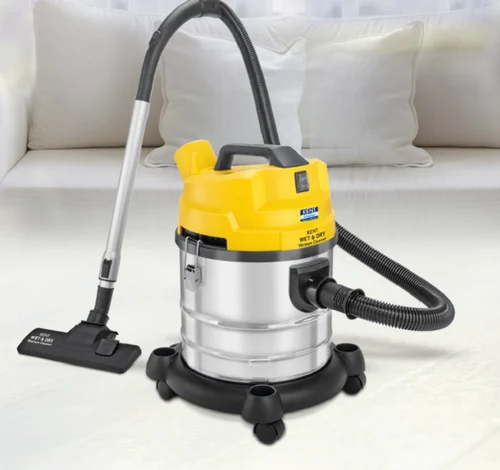
What Exactly is a Wet Dry Vacuum Cleaner?
You’ve probably seen them before—those canister-style vacuums on wheels, often called a “shop vac.” But what really sets them apart from the upright vacuum you use on your carpets? The magic is in the design. A standard vacuum cleaner has its motor and delicate electronics in the direct path of the airflow, which is a disaster waiting to happen if you introduce liquids.
A wet dry vacuum, on the other hand, is built differently. Its collection tank is separate, and a clever system using baffles and often a float mechanism prevents water from ever reaching the motor. This simple but brilliant engineering means it can tackle a flooded basement, a spilled drink, or a pile of sawdust with equal, unapologetic power. It’s the multi-tool of the cleaning world.
Key Features to Look For in a Wet Dry Vacuum Cleaner
Navigating the specs sheet can feel like reading a foreign language. CFM? Water Lift? Let’s demystify the jargon and focus on what truly matters for your cleaning needs.
Tank Capacity: How Big is Big Enough?
The capacity, measured in gallons (or liters), tells you how much debris the vacuum can hold before you need to empty it.
- Small (2-5 Gallons): Perfect for small apartments, quick spills, and car detailing. They’re lightweight and easy to store.
- Medium (6-12 Gallons): The sweet spot for most homeowners. This size can handle significant messes, garage cleanups, and DIY project debris without being too cumbersome to move around.
- Large (14+ Gallons): These are the beasts of the bunch, designed for workshops, construction sites, or serious water removal jobs like a minor basement flood.
Motor Power and Suction: The Real Muscle
This is where it gets a bit technical, but stick with me. You’ll often see two key metrics:
- Peak Horsepower (HP): This number can be a bit misleading as it measures the motor’s output without any load. While a higher number is generally better, don’t base your decision solely on this.
- CFM (Cubic Feet per Minute): This measures airflow. Think of this as the volume of air the vacuum moves. A high CFM is fantastic for picking up light, fine debris like sawdust or drywall dust.
- Water Lift (or Sealed Suction): This is the raw pulling power, measured in inches. It indicates how high the vacuum can lift a column of water. High water lift is crucial for sucking up liquids, nuts, bolts, and other heavy debris.
“A common mistake is chasing the highest horsepower,” notes James Peterson, a Senior Product Engineer specializing in home appliances. “The true performance of a wet dry vacuum lies in the balance between CFM and water lift. For chunky, wet messes, prioritize water lift. For fine, widespread dust, a high CFM is your best friend.”
The Filtration System: Protecting Your Air and Your Motor
|
Our Picks for the Best Vacuum Cleaner in 2026
As an Amazon Associate, we earn from qualifying purchases.
|
||
| Num | Product | Action |
|---|---|---|
| 1 | BLACK+DECKER dustbuster QuickClean Cordless Handheld Vacuum, Car Vacuum Portable (HNVC215B10) |

|
| 2 | Shark HV322 Rocket Deluxe Pro Corded Stick Vacuum with LED Headlights, XL Dust Cup, Lightweight, Perfect for Pet Hair Pickup, Converts to a Hand Vacuum, with Pet Attachments, Bordeaux/Silver |
|
| 3 | BISSELL CleanView Compact Upright Vacuum, Fits in Dorm Rooms & Apartments, Lightweight with Powerful Suction and Removable Extension Wand, 3508 |
|
| 4 | Shark NV352 Navigator Lift Away Upright Vacuum, Hepa Filter, Anti-Allergen Technology, Swivel Steering, Ideal for Carpet, Stairs, & Bare Floors, with Wide Upholstery & Crevice Tools, Lavender |
|
| 5 | LEVOIT Cordless Vacuum Cleaner, Stick Vac with Tangle-Resistant Design, Up to 50 Minutes, Powerful Suction, Rechargeable, Lightweight, and Versatile for Carpet, Hard Floor, Pet Hair, LVAC-200 |
|
| 6 | BISSELL CleanView Compact Turbo Upright Vacuum with Quick Release Wand, Full Size Power, Compact Size for Apartments & Dorms, 3437F |
|
| 7 | BLACK+DECKER dustbuster AdvancedClean Cordless Handheld Vacuum, Compact Home and Car Vacuum with Crevice Tool (CHV1410L) |
|
| 8 | Amazon Basics Upright Bagless Vacuum Cleaner for Carpet and Hard Floors, With Crevice and Upholstery Tools, Detachable Handle, Lightweight (8.4 lbs), 1.7L Dust Cup, 720W, 25ft Cord, Black/White |
|
| 9 | Shark | Pet Cordless Vacuum Cleaner | LED Headlights | Removable Handheld Vacuum for Pet Hair | Crevice Tool & Pet Multi-Tool Included | 40min Runtime | For Carpet & Hard Floors | Grey | IX141 |
|
| 10 | Shark | Upright Vacuum Cleaner | Navigator Lift-Away | Swivel Steering | HEPA Filter | Vacuum for Pet Hair | Crevice Tool & Dusting Brush Included | For Carpets & Hard Floors | White/Silver | NV356E |
|
A critical component that’s often overlooked. A wet dry vacuum uses a two-part system:
- For Wet Pickup: You’ll typically use a foam sleeve filter. This protects the motor from water spray and larger debris while allowing air to pass through. Never use a paper filter for liquids—it will disintegrate and ruin your day.
- For Dry Pickup: A cartridge filter is your go-to. It looks like a large, pleated paper cylinder and is excellent for capturing dust, dirt, and pet hair. For extra fine particles like drywall dust or cold ashes, look for a model compatible with a HEPA filter or a high-efficiency filter bag to prevent that dust from being exhausted back into your air.
Portability, Hoses, and Attachments
A powerful vacuum is useless if you can’t get it to the mess. Look for sturdy casters for easy rolling, a long power cord (at least 15 feet), and on-board storage for the hose and attachments. The hose itself is also important—a wider diameter (like 2.5 inches) is less likely to clog than a smaller one (1.25 inches).
Essential attachments to look for include:
- A wide floor nozzle for large areas.
- A crevice tool for tight spots.
- A utility or squeegee nozzle for liquids.
- A round dusting brush.
Some models even have a blower port, allowing you to reverse the airflow and turn your vacuum into a powerful blower for clearing leaves from your porch or inflating an air mattress. It’s a surprisingly handy feature.
What is the Best Way to Clean Up a Liquid Spill?
Using your wet dry vacuum for its namesake purpose is simple but requires a quick prep. Here’s a step-by-step guide for tackling that spilled milk or overflowing sink.
- Switch the Filter: Open the canister and remove the paper cartridge filter if it’s installed. Replace it with the foam sleeve filter. This is the most important step to protect your motor.
- Remove any Bags: If you have a dust collection bag inside for dry use, take it out.
- Attach the Right Nozzle: The squeegee nozzle is ideal for flat surfaces as it helps channel the liquid directly into the hose.
- Vacuum it Up: Turn the machine on and go to town. The vacuum will suck up the liquid quickly and efficiently.
- Empty and Dry: Once you’re done, unplug the machine and carefully empty the liquid from the tank. Give the tank a quick rinse and let it, the hose, and the foam filter air dry completely to prevent mold and mildew.
Beyond the Garage: Everyday Uses You Haven’t Thought Of
The real magic of a good wet dry vacuum cleaner review is showing you how this tool can simplify your life in unexpected ways.
- Pet Messes: From spilled water bowls to bigger “accidents,” a wet dry vac handles it all without a second thought.
- Unclogging Drains: Forget harsh chemicals. Place the hose over the drain, create a tight seal with a damp cloth, and the powerful suction can often pull the clog right out.
- Cleaning Fireplaces: Once the ashes are completely cold, a wet dry vac with a fine-dust filter makes cleanup a dust-free, simple job.
- Deep Cleaning Fridges and Freezers: After defrosting, use it to suck up all the melted water and stray food bits from the bottom.
Maintaining Your Wet Dry Vacuum for Peak Performance
A little TLC goes a long way. To keep your machine running like new, create a simple checklist:
- [ ] Empty the Tank After Each Use: Especially after wet pickup, to prevent odors and mildew.
- [ ] Clean Your Filters Regularly: Tap the dust out of your cartridge filter after each dry use. You can often rinse them with water (check the manual!) and let them air dry completely. A clogged filter is the number one cause of lost suction.
- [ ] Check the Hose for Clogs: If suction drops, do a quick visual check of the hose and wands for any obstructions.
- [ ] Inspect the Float Shut-Off: When vacuuming liquids, a small float ball rises with the water level and blocks the motor intake when the tank is full. Make sure this mechanism is clean and moves freely.
Frequently Asked Questions
Can you use a wet dry vacuum cleaner on carpet?
Absolutely. They are excellent for deep cleaning carpets, especially for sucking up the water after a carpet shampooing session. For regular dry vacuuming, however, a standard vacuum with a beater bar is often more effective at agitating and lifting dirt from carpet fibers.
What is the difference between a wet dry vacuum and a shop vac?
The terms are often used interchangeably. “Shop Vac” is actually a brand name that has become synonymous with the product category, much like Kleenex for tissues. Functionally, there is no difference; they are both designed to handle wet and dry messes.
How often should I replace the filter in my wet dry vacuum?
This depends heavily on usage. For a paper cartridge filter, inspect it regularly for tears. With proper cleaning, a filter can last 6 months to a year for average home use. If you notice a persistent drop in suction even after cleaning the filter, it’s time for a replacement.
Can I use a wet dry vac to pick up hot water?
It’s not recommended. Most consumer-grade wet dry vacuums are designed for cold or room-temperature liquids. Hot water can potentially damage the plastic tank, the hose, and internal components over time.
Why does my wet dry vacuum suddenly sound high-pitched?
That high-pitched whining sound is almost always a sign that the float shut-off mechanism has been activated. This means either the tank is full of liquid, or the filter is so severely clogged that the motor is starved for air, causing the float to lift. Turn it off immediately and check both.
Your All-in-One Cleaning Champion
Investing in a quality machine is more than just buying another appliance; it’s about being prepared for any mess life throws your way. From DIY projects and garage tinkering to kitchen catastrophes and pet-related incidents, the versatility is unmatched. By understanding the key features like tank size, suction power, and proper filtration, you can confidently choose a model that fits your specific needs. Hopefully, this wet dry vacuum cleaner review has armed you with the knowledge to make an informed decision and bring home a true cleaning powerhouse. Go ahead, make a mess. You’re ready for it.
Get our weekly buyer guide
Practical specs, not advice. Unsubscribe anytime.