Let’s be honest, no one gets excited about vacuuming. But what if the right tool could make the chore not just bearable, but… satisfying? Did you know that the average home can accumulate up to 40 pounds of dust per year? It’s a mix of dead skin cells, pollen, pet dander, and other lovely things. That’s where a truly powerful vacuum comes in. This in-depth Miele vacuum cleaner review is for anyone who’s tired of flimsy machines that just push dirt around. We’re going to dive deep into the world of German engineering to find out if a Miele is the long-term investment your home and your lungs have been waiting for.
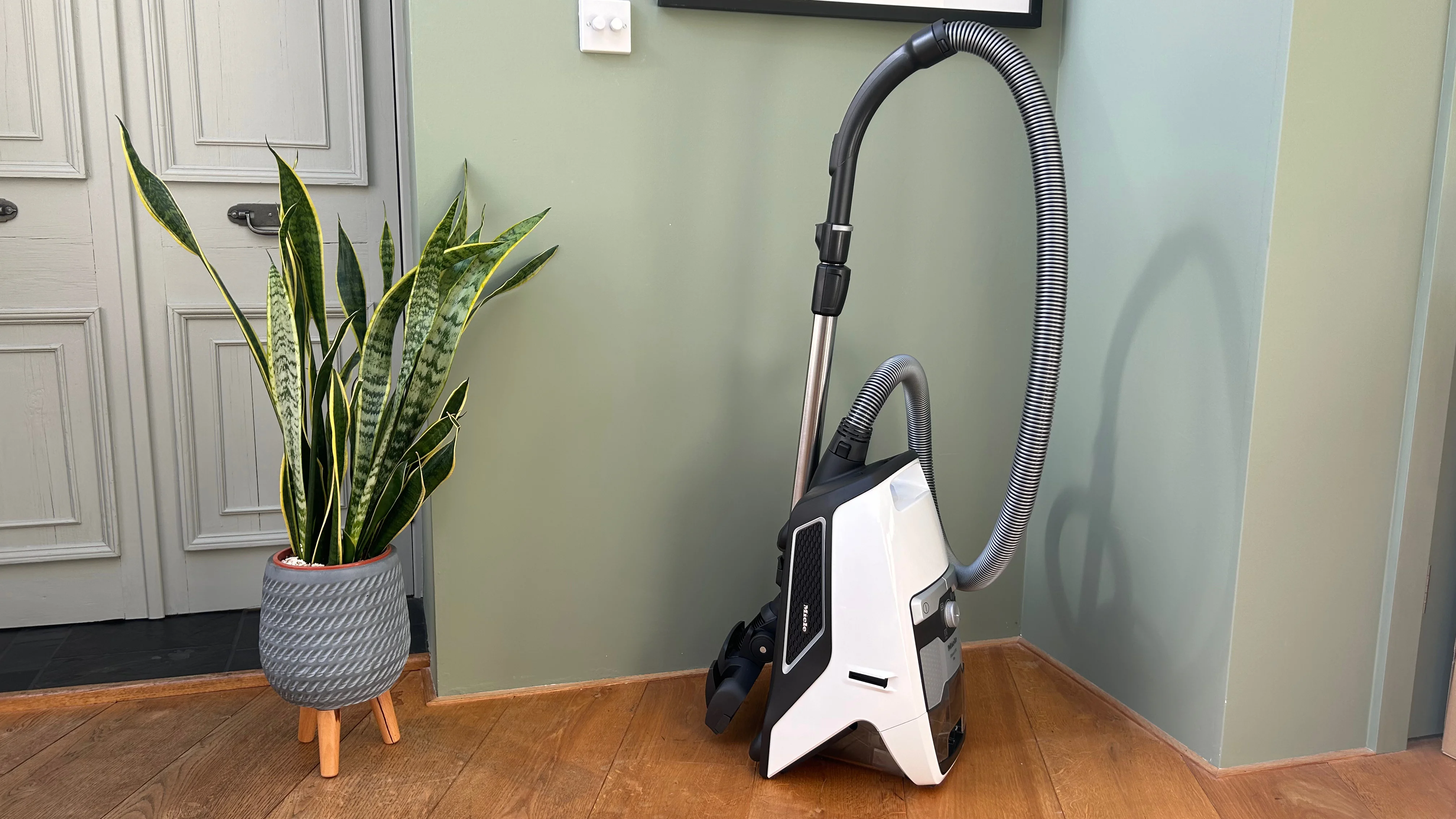
What Makes Miele Vacuums Stand Out?
When you hear “Miele,” you probably think of two things: German engineering and a premium price tag. But what does that really mean for a vacuum cleaner? It’s not just about a fancy logo; it’s about a fundamentally different approach to cleaning.
Think of it this way: many vacuums are designed to last just a few years, until the next model comes out. Miele, on the other hand, famously tests its vacuums to last for an equivalent of 20 years of use. This commitment to durability is built into every component, from the crush-proof hose to the high-performance Vortex motor. It’s the difference between buying a tool and making an investment.
“The biggest mistake people make is focusing only on suction power. A truly clean home comes from a vacuum’s ability to capture and contain dirt, not just suck it up. Miele’s AirClean Sealed System is the gold standard for this.” – Dr. Eleanor Finch, Indoor Air Quality Specialist.
This sealed system is Miele’s secret weapon. While other vacuums might have a HEPA filter, they often leak dusty air from cracks and seals around the machine’s body. A Miele vacuum is designed so that virtually all the air that goes in passes through a multi-stage filtration system before it comes out, trapping over 99.9% of all lung-damaging particles.
Finding Your Perfect Match: Canister vs. Upright Miele Vacuums
Miele doesn’t believe in a one-size-fits-all solution. Their two main designs, canister and upright, cater to different homes and cleaning styles. Let’s break down which one might be your new best friend.
The Classic Canister: Power and Versatility
Miele’s canister vacuums are their most iconic line, known for being powerful, quiet, and incredibly versatile. The motor and dustbag are in a compact “canister” body that rolls behind you, while you clean with a lightweight hose and wand.
- Best for: Homes with a mix of hard floors, area rugs, and above-floor cleaning tasks (like stairs, upholstery, and dusting).
- Pros:
- Lightweight in hand: You’re only holding the wand, not the entire machine’s weight.
- Superior maneuverability: Easily gets under furniture and into tight corners.
- Quieter operation: The motor is insulated within the canister body.
- Huge range of attachments: From the gentle Parquet Twister for hardwood to the powerful electrobrush for deep-pile carpets.
- Cons:
- You have to pull the canister behind you, which can be a little cumbersome for some.
Models like the Miele Classic C1 are a great entry point, while the Miele Complete C3 series offers top-of-the-line features like on-wand controls and premium filtration, making them a top choice in any Miele vacuum cleaner review.
The Sturdy Upright: Deep Cleaning Champion
|
Our Picks for the Best Vacuum Cleaner in 2026
As an Amazon Associate, we earn from qualifying purchases.
|
||
| Num | Product | Action |
|---|---|---|
| 1 | Shark | Upright Vacuum Cleaner | Navigator Lift-Away | Swivel Steering | HEPA Filter | Vacuum for Pet Hair | Crevice Tool & Dusting Brush Included | For Carpets & Hard Floors | White/Silver | NV356E |

|
| 2 | BLACK+DECKER dustbuster QuickClean Cordless Handheld Vacuum, Car Vacuum Portable (HNVC215B10) |
|
| 3 | BISSELL CleanView Compact Upright Vacuum, Fits in Dorm Rooms & Apartments, Lightweight with Powerful Suction and Removable Extension Wand, 3508 |
|
| 4 | LEVOIT Cordless Vacuum Cleaner, Stick Vac with Tangle-Resistant Design, Up to 50 Minutes, Powerful Suction, Rechargeable, Lightweight, and Versatile for Carpet, Hard Floor, Pet Hair, LVAC-200 |
|
| 5 | Shark NV352 Navigator Lift Away Upright Vacuum, Hepa Filter, Anti-Allergen Technology, Swivel Steering, Ideal for Carpet, Stairs, & Bare Floors, with Wide Upholstery & Crevice Tools, Lavender |
|
| 6 | BISSELL CleanView Compact Turbo Upright Vacuum with Quick Release Wand, Full Size Power, Compact Size for Apartments & Dorms, 3437F |
|
| 7 | BLACK+DECKER dustbuster AdvancedClean Cordless Handheld Vacuum, Compact Home and Car Vacuum with Crevice Tool (CHV1410L) |
|
| 8 | Amazon Basics Upright Bagless Vacuum Cleaner for Carpet and Hard Floors, With Crevice and Upholstery Tools, Detachable Handle, Lightweight (8.4 lbs), 1.7L Dust Cup, 720W, 25ft Cord, Black/White |
|
| 9 | Shark | Pet Cordless Vacuum Cleaner | LED Headlights | Removable Handheld Vacuum for Pet Hair | Crevice Tool & Pet Multi-Tool Included | 40min Runtime | For Carpet & Hard Floors | Grey | IX141 |
|
| 10 | Shark HV322 Rocket Deluxe Pro Corded Stick Vacuum with LED Headlights, XL Dust Cup, Lightweight, Perfect for Pet Hair Pickup, Converts to a Hand Vacuum, with Pet Attachments, Bordeaux/Silver |
|
For those who love the traditional feel of an all-in-one machine, Miele’s Dynamic U1 series of upright vacuums delivers that deep-cleaning satisfaction, especially on carpets.
- Best for: Homes with large areas of wall-to-wall carpeting.
- Pros:
- Excellent for deep carpets: The weight of the machine and the powerful electrobrush work together to agitate and lift deep-seated dirt.
- Simple to use: Just plug it in and go, no canister to trail behind you.
- SwivelNeck technology: Surprisingly agile for an upright, allowing you to steer around furniture with a flick of the wrist.
- Cons:
- Heavier to push than a canister wand.
- Can be less convenient for cleaning stairs or car interiors.
A Closer Look at Miele’s Signature Technologies
What’s really going on under the hood? It’s more than just suction. These are the core features that set Miele apart.
Unbeatable Suction Power: The Vortex Motor
Miele designs and builds its own motors in-house in Germany. These 1,200-watt Vortex motors are engineered for two things: peak performance and longevity. They provide incredible airflow to pick up everything from fine dust to stubborn pet hair, and you can easily adjust the suction level for different surfaces—from full power for hard floors to a gentle setting for delicate curtains.
Breathe Easy: The AirClean Sealed System & HEPA Filters
This is arguably the most important feature for allergy sufferers or anyone concerned with indoor air quality. As mentioned, it’s not just about the filter; it’s the whole system.
- The Miele AirClean FilterBag™: This is the first line of defense. The bag is made of multiple layers of electrostatically charged material that traps fine dust. Its spring-loaded collar snaps shut automatically when you open the machine, so you’re never exposed to a puff of dust.
- Motor Protection Filter: This secondary filter keeps fine dust from ever reaching the motor, protecting it and ensuring a long life.
- Exhaust Filter: This is the final stage. You can choose a standard AirClean filter, an Active AirClean filter with charcoal for absorbing pet odors, or a HEPA AirClean filter that captures 99.97% of particles down to 0.3 microns.
When combined with the rubber seals around the casing, this system ensures the air that leaves your vacuum is often cleaner than the air in the room.
Bagged vs. Bagless: Why Miele Sticks with Bags
In a world dominated by bagless vacuums, Miele’s commitment to bagged systems might seem old-fashioned. But there’s a method to their madness. A bagless vacuum’s filters get clogged quickly, reducing suction and requiring frequent, messy cleaning. Miele’s large, self-sealing bags maintain maximum suction until they’re completely full and allow for truly hygienic, dust-free disposal. It’s a cleaner process from start to finish.
Which Miele Vacuum Cleaner is Right for Your Home?
Choosing the right model depends entirely on your specific needs. Let’s tackle some common scenarios.
For the Pet Parent: Taming the Fur
If you have furry family members, you need a machine designed to handle pet hair and dander. Look for Miele models designated as “Cat & Dog.” They typically come with:
- An Active AirClean Filter: The charcoal layer is essential for neutralizing pet odors.
- A Handheld Mini Turbo Brush: This air-powered tool is a miracle worker on upholstery, pet beds, and carpeted stairs where hair accumulates.
For Allergy Sufferers: The Ultimate Air Purifier on Wheels
If dust, pollen, or dander triggers your allergies, your number one priority should be a model with a HEPA filter and the sealed system. Any of the Miele Complete C3 models can be equipped with one, effectively turning your vacuum into a mobile air purifier while you clean. This is a non-negotiable feature for a healthier home.
For Hardwood Floors & Delicate Surfaces
Worried about scratching your beautiful hardwood, tile, or laminate floors? Miele has you covered. Look for models that include the Parquet Twister floorhead. This brush has soft, natural bristles and a 180° rotating joint that glides effortlessly around furniture legs and into corners without leaving a single scratch.
How Often Should You Replace a Miele Filter?
This is a key question for maintaining peak performance. As a general rule, you should replace the motor protection and exhaust filters after every box of four FilterBags. Many filter boxes even come with these replacements included, making it easy to remember. A HEPA filter should be replaced approximately once per year.
How Does Miele Compare to Dyson or Shark?
This is the ultimate showdown. While all three are excellent brands, they have different philosophies.
- Miele: Focuses on durability, ultra-fine filtration, quiet operation, and bagged hygiene. It’s a long-term investment in a machine built to last for decades.
- Dyson: Leads the pack in bagless technology and cordless innovation. They are known for powerful, lightweight stick vacuums and cutting-edge design. Read our [Dyson vs. Shark comparison] for more.
- Shark: Delivers incredible value and clever features, like DuoClean brush rolls and Lift-Away pods. They offer strong performance at a more accessible price point.
Ultimately, choosing Miele is choosing a buy-it-for-life philosophy over the latest trend.
FAQs: Your Miele Questions Answered
Are Miele vacuums heavy?
Miele canister vacuums are very lightweight in use, as you only maneuver the wand and hose. The canister itself rolls easily behind you. The upright models are heavier, comparable to other full-sized uprights, but their SwivelNeck steering makes them feel agile.
How often do I need to change the Miele vacuum bag?
This depends on your home size, pets, and cleaning frequency. An indicator light on the vacuum will tell you when the bag is full and airflow is reduced. For an average home, a bag can last anywhere from 1 to 3 months.
Is the high price of a Miele vacuum cleaner really justified?
If you value longevity, superior air quality, and quiet, powerful performance, then yes. Instead of buying three or four $200 vacuums over a decade, you buy one Miele. Over its 20-year projected lifespan, the cost per year is actually very low.
Can I use a Miele vacuum on a high-pile or shag rug?
Absolutely. The key is to use a model with a powered electrobrush floorhead and to adjust the suction level. The height-adjustable brush and variable suction allow you to deep clean even the plushest carpets without damaging them.
What is the warranty on a Miele vacuum cleaner?
Miele vacuums typically come with a 1-year warranty on parts and labor, and a 7-year warranty on the motor and casing. Always check the specific warranty for the model you are purchasing.
The Final Verdict
After a thorough Miele vacuum cleaner review, it’s clear that these machines aren’t for everyone. They are for the discerning consumer who sees cleaning not just as a chore, but as an integral part of maintaining a healthy and beautiful home. A Miele is an investment. It’s an investment in air you can breathe, in a machine that won’t end up in a landfill in three years, and in the quiet satisfaction of a job done exceptionally well. If you’re ready to stop replacing your vacuum and start investing in one, a Miele might just be the last vacuum you ever buy.
Get our weekly buyer guide
Practical specs, not advice. Unsubscribe anytime.